
Santa Teresa Museum in Potosí
The Santa Teresa Museum is one of the most important cultural and heritage sites in the city of Potosí, combining history, art, and spirituality in a carefully restored former cloistered convent. This museum allows visitors to delve into the lives of women in religious life during the colonial era and understand the profound connection between faith, art, and the history of this mining city.
Located in the heart of the historic center, the Santa Teresa Museum stands as a living testament to the colonial splendor of Potosí, when the city was one of the richest and most populous in the world thanks to the silver from Cerro Rico (Rich Hill).
📜 History of the Santa Teresa Museum
The former Convent of Santa Teresa was founded in the 17th century and belonged to the Discalced Carmelite order. For centuries, it functioned as a strictly cloistered space, where the nuns led a life dedicated to prayer, silence, and contemplation.
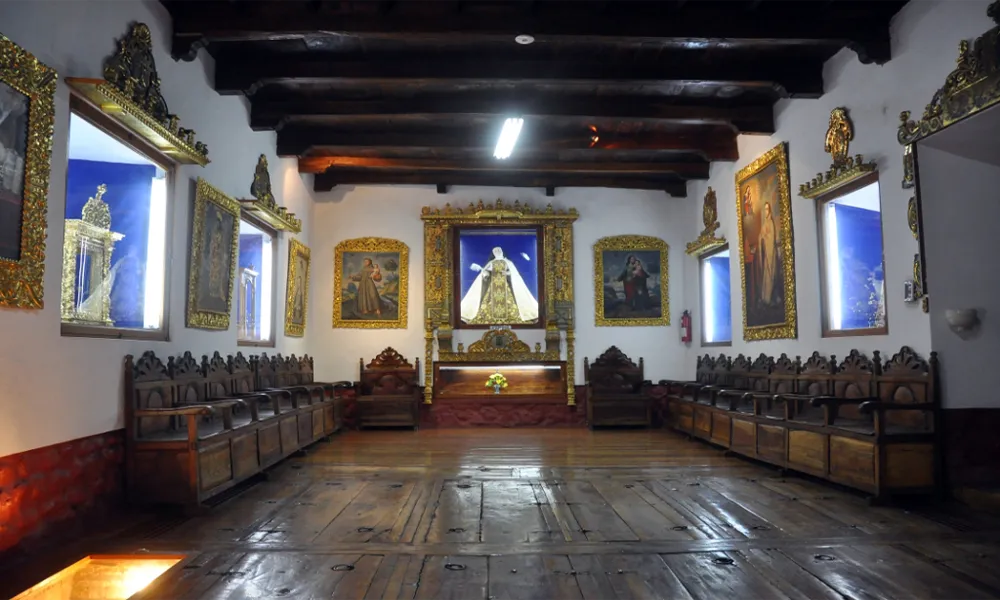
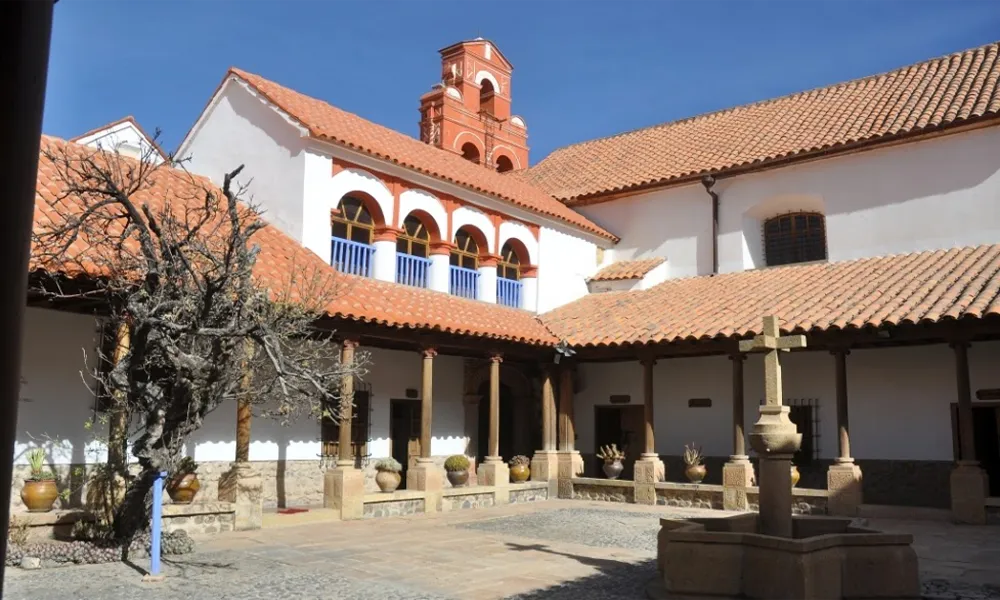
After a lengthy recovery and restoration process, the convent was transformed into a museum, preserving its original structure, cells, courtyards, cloisters, and religious spaces. Today, the Santa Teresa Museum plays a fundamental role in preserving the historical and religious heritage of Potosí.
🎨 What to see at the Santa Teresa Museum
Visiting the museum is like taking a journey back to the colonial past. Among the main attractions are:
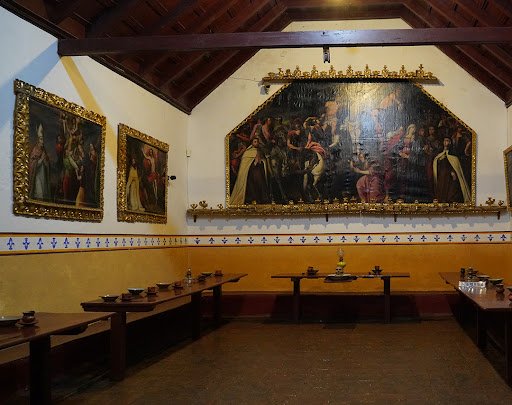
- Colonial paintings: Works of great artistic value, many belonging to the Potosí school and Andean religious art.
- Sacred sculpture: Images carved in polychrome wood, used for internal devotion within the convent.
- Liturgical objects: Monstrances, chalices, reliquaries, and finely crafted religious textiles.
- Original spaces of the convent: Cells, refectory, cloisters, and prayer rooms that retain their austere and spiritual atmosphere.
- Colonial architecture: Stone walls, tranquil courtyards, and architectural details that reflect the style of the era.
Each room is designed to offer a contemplative experience, where art becomes a means to understand the faith and daily life of the Carmelite nuns.
🕯️ Cultural and Spiritual Value
The Santa Teresa Museum is not only an exhibition space but also a place for reflection. Its museographic approach highlights the role of women in colonial religious history and the importance of art as an expression of devotion and spiritual teaching.
Furthermore, the museum is part of the heritage complex that supports Potosí’s declaration as a World Heritage Site, making it an essential visit for those who wish to understand the historical essence of the city.
📍 Location
The Santa Teresa Museum is located in the historic center of Potosí, just minutes from other cultural and religious attractions, making it easy to include in a city tour.
✅ Recommendations for your visit
- Set aside at least an hour to explore the museum at a leisurely pace.
- Maintain a respectful attitude, as this is a former religious space.
- Observe the artistic details, especially in the paintings and sculptures.
- Combine your visit with other museums and churches in the historic center for a complete cultural experience.
✨ An Encounter with Potosí’s Past
Visiting the Santa Teresa Museum in Potosí is an enriching experience that reveals a lesser-known facet of colonial history: the inner life of the convents and their contribution to art and spirituality. It’s a space where silence, history, and art converge to tell an essential part of Bolivia’s cultural legacy.