
Machacamarca – History, Culture, and Railway Legacy
Machacamarca is a small but significant municipality in the department of Oruro, located in the heart of the Bolivian Altiplano. Despite its size, Machacamarca possesses a rich history and culture that makes it a key point for understanding the railway, mining, and social development of Bolivia, especially during the 19th and 20th centuries.
Situated on the shores of Lake Uru Uru and surrounded by vast Andean landscapes, this town maintains a tranquil atmosphere, where the past remains present in its streets, traditions, and collective memory.
📍 Location
Machacamarca is located about 35 km south of the city of Oruro, on the shores of Lake Uru Uru. It is connected by the Oruro-Potosí highway and is part of the Pantaleón Dalence province. Its altitude exceeds 3,700 meters above sea level, resulting in a cold and dry climate typical of the Altiplano.
📜 Origin and Meaning of the Name
The name Machacamarca comes from the Aymara phrase “Machaqa Marka,” meaning “new town.” This name reflects its origins as a planned settlement that gained importance with the expansion of the railroad and mining in the region. Although today it is a peaceful town, it was once a strategic hub for transportation and the economy of the Altiplano.
🚂 Machacamarca and the Bolivian Railroad
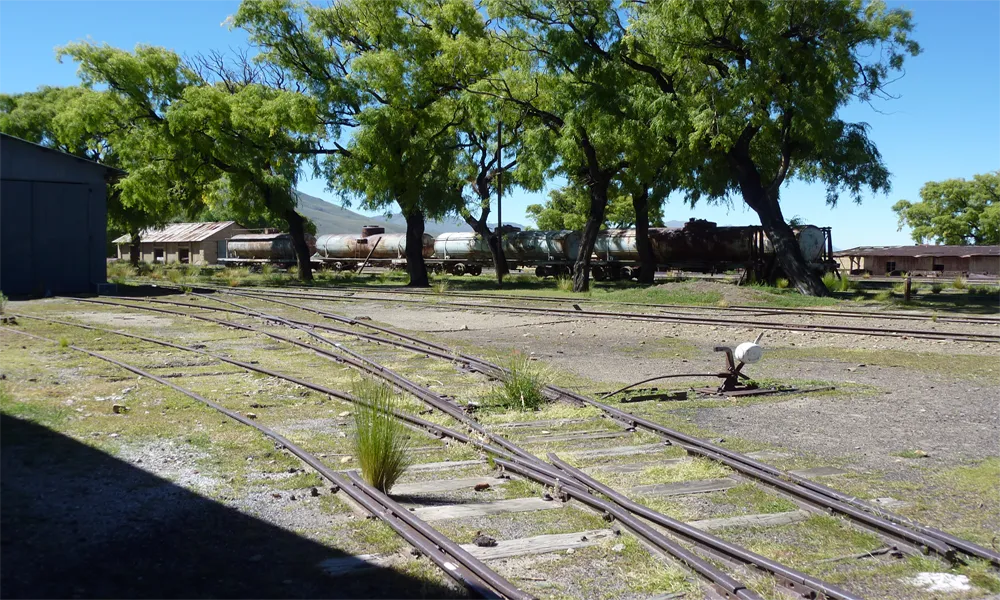
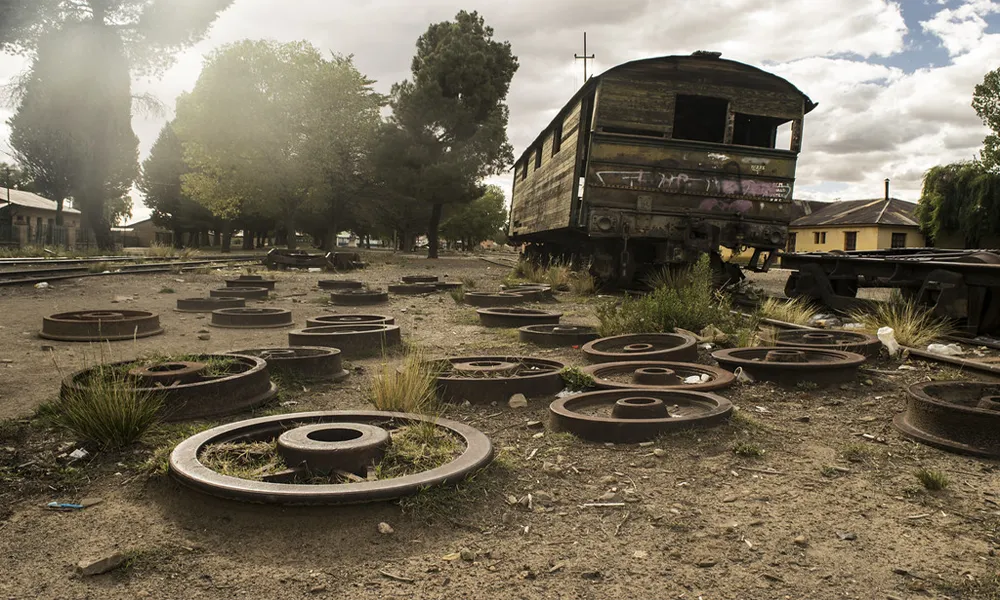
One of Machacamarca’s greatest historical sources of pride is its close relationship with the railroad. In the late 19th and early 20th centuries, the town became an important railway center, housing workshops, stations, and housing for railway workers.
The railroad not only spurred economic growth but also transformed the social and cultural life of the area, attracting families from different regions and consolidating an identity linked to work, discipline, and progress. To this day, the memory of that era remains alive in the architecture and in the memories of its inhabitants.
🏛️ Cultural Heritage and Architecture
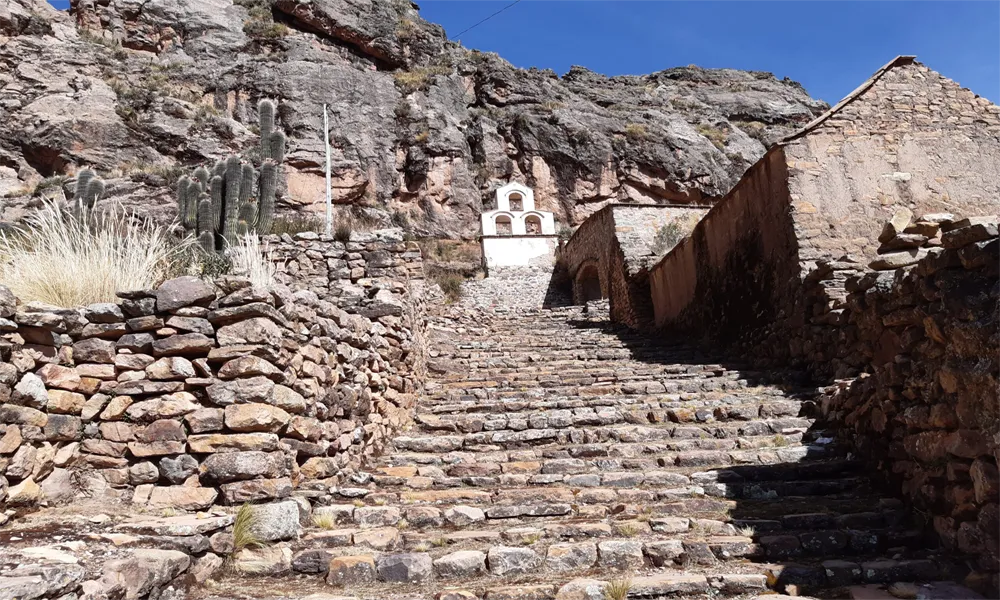
Machacamarca preserves buildings in a simple yet historically rich style, many of them linked to the railway era. The old houses, the train station, and some public buildings reflect the town’s boom when the railway was the main means of connecting the country’s regions.
Furthermore, the natural surroundings of Lake Uru Uru add a special scenic value, creating a contrast between the vastness of the high plateau and the human imprint left by generations of workers.
🎭 Traditions and Local Life
Life in Machacamarca is marked by deeply rooted Andean traditions. Religious festivals, community customs, and respect for Pachamama (Mother Earth) are part of the daily lives of its inhabitants. Music, dances, and local celebrations reinforce a sense of identity and belonging, keeping alive ancestral practices passed down from generation to generation.
The cultural proximity to Oruro means that many of these expressions are related to the festive calendar of the Altiplano, although Machacamarca maintains its own character and rhythm of life.
🌄 Landscape and Natural Environment
Located at over 3,700 meters above sea level, Machacamarca has a cold and dry climate characteristic of the Altiplano. Its surroundings offer wide plains, clear skies, and views of Lake Uru Uru, an important ecosystem for birds and local wildlife. The landscape invites contemplation and tranquil tourism, ideal for those seeking authentic experiences away from the most crowded routes.
🚐 How to get there
- From Oruro: Public and private transportation covers the route in approximately 40 minutes.
- By train: Occasional train journeys are available, retracing the historic route on vintage locomotives.
- By road: Take the paved Oruro-Potosí highway, with well-marked turnoffs to Machacamarca.
🌤 Climate
Machacamarca has a cold, dry climate, with temperatures ranging from 2°C to 15°C. Nights are often freezing, especially during the winter months (May to July). The best time to visit is between April and October, the dry season with clear skies.
🛏 Nearby hotels and accommodations
Machacamarca offers basic accommodations, but many visitors choose to stay overnight in the city of Oruro, where there are hotels of various categories:
- Hotel Eden by Bluebay (Oruro): 4 stars, centrally located.
- Gran Hotel Cochabamba – Oruro Branch: ideal for business travelers.
Family-run hostels in Machacamarca: an affordable and local option.
🍲 Gastronomy
Local cuisine reflects the flavors of the Andean highlands:
- Oruro-style charquekan (dried llama meat with hominy and cheese).
- Api (a hot drink) with cake for typical breakfasts.
- Quinoa and lamb broths, ideal for the region’s cold weather.
✅ Travel Tips
- Bring warm clothing, especially for the evenings.
- Be mindful of the altitude, drink plenty of water, and avoid strenuous activity.
- Don’t forget sunscreen and a hat, as the sun is intense at high altitude.
- Support the local economy by patronizing small restaurants and shops in Machacamarca.
✨ Current Historical Significance
Today, Machacamarca is recognized as a symbol of Bolivia’s railway past and an example of how small towns played a fundamental role in building the modern country. Visiting this town allows one to understand the relationship between mining, transport and social development, as well as appreciate the resilience of the highland communities.