
Andean Railway Company S.A. (FCA): A Historical Axis of Rail Transport in Bolivia
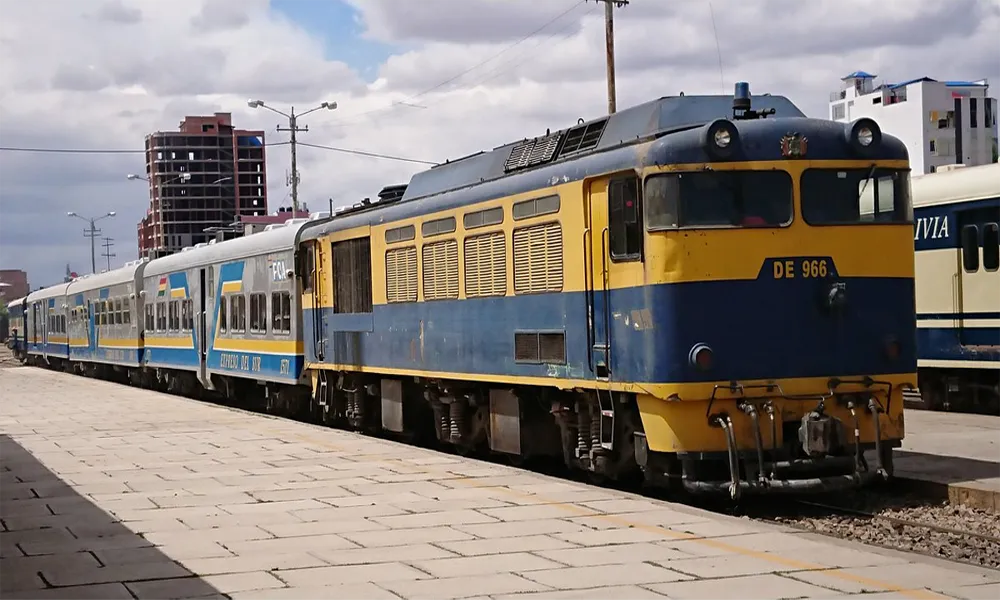
The Andean Railway Company S.A., known as FCA, is one of the most important institutions in the Bolivian railway system. Its work has been key to territorial integration, economic development, and connectivity between the highland and valley regions, especially in departments such as Oruro, Potosí, and Cochabamba.
📜 Origin and Historical Context
The Andean Railway Company S.A. emerged as part of the reorganization of the national railway system, inheriting the railway tradition that, since the late 19th century, had driven Bolivia’s mining and commercial growth. For decades, the railway was the main means of transporting minerals, agricultural products, and passengers, connecting strategic cities in western Bolivia.
In this context, the FCA assumed the administration and operation of important Andean railway lines, preserving a fundamental historical legacy for the country’s collective memory.
🛤️ Rail Network and Operations
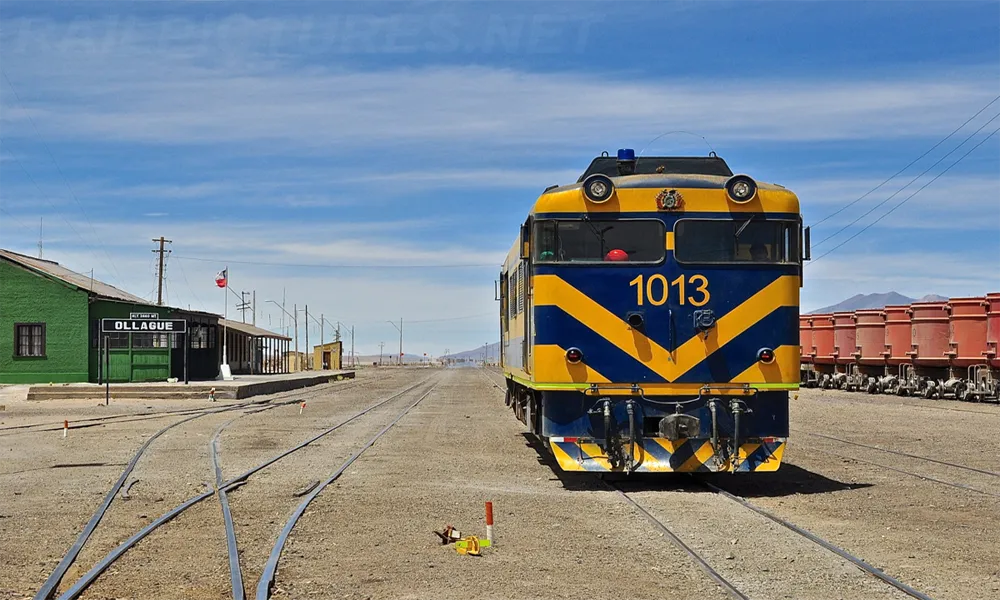
FCA operates an extensive rail network in the Andean region, connecting production centers, historic cities, and mining areas. Its lines have been essential for transporting heavy cargo, especially minerals, as well as for passenger transport on certain sections, contributing to regional mobility.
The Andean railway is notable for traversing landscapes of great natural and cultural value, from the high plateau plains to the transition zones leading to the valleys, making its routes true historical corridors.
🏭 Economic and Logistical Importance
The Andean Railway Company plays a strategic role in national logistics. Rail transport allows for the efficient and safe movement of large volumes of cargo with less environmental impact compared to other modes of land transport.
Thanks to this function, FCA has been a key player in strengthening the mining and industrial production chain.
🧑🏫 Railway Heritage and Social Memory
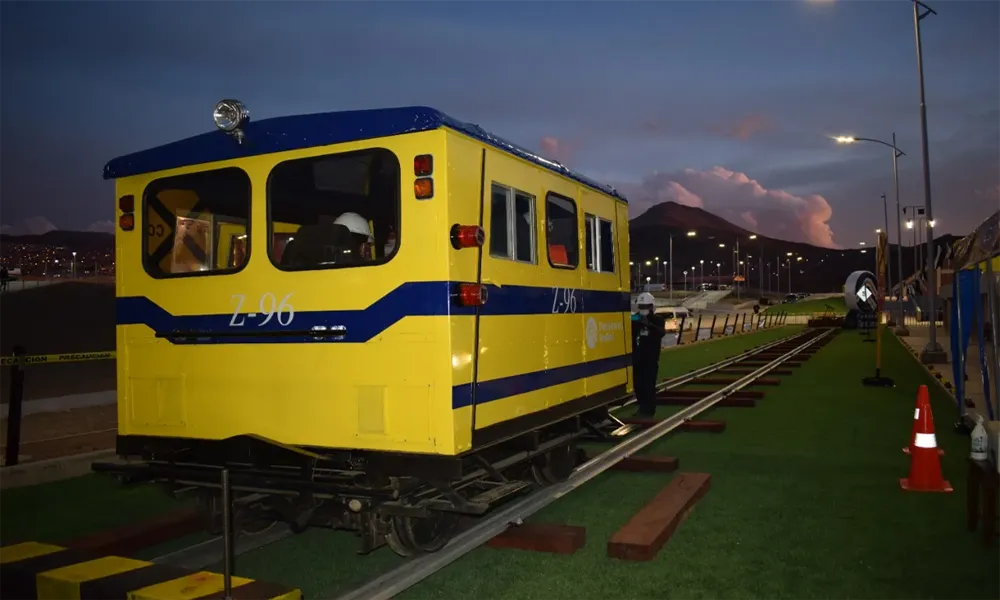
Beyond its operational function, the FCA represents a valuable historical heritage. Stations, workshops, locomotives, and rails are part of the urban and rural landscape of many Andean cities, bearing witness to the country’s technological and social development.
For generations of railway workers and their families, the company symbolizes identity, work, and belonging, keeping railway culture alive in Bolivia.
🌱 Present and Future
Today, the Andean Railway Company (FCA) continues to play a vital role in the Bolivian transportation system, adapting to modern logistical challenges and committed to operational efficiency and sustainability.
Its presence reaffirms the importance of the railway as a strategic means for regional development and the country’s territorial integration.
✨ A Pillar of Andean Transportation
The Andean Railway Company (FCA) not only connects cities and regions, but also history, the economy, and collective memory. Its railway legacy remains an essential component of the development of western Bolivia and a symbol of the effort and resilience of the Andes.