
Pampa Aullagas – History, Landscape, and Memory of the Bolivian Altiplano
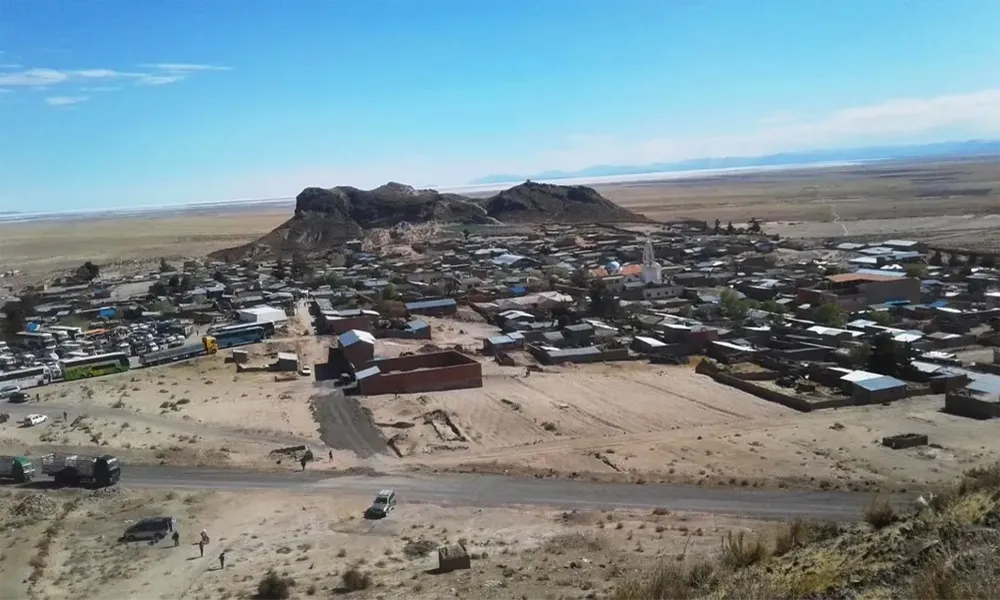
Pampa Aullagas is a town in the department of Oruro that stands out for its profound historical significance, its natural environment typical of the Altiplano, and its importance within Bolivia’s cultural memory. Located on a vast Andean plain, Pampa Aullagas is known as one of the ancient settlements linked to the pre-Hispanic and colonial history of the region.
This place, with its seemingly silent landscape and open terrain, holds stories that connect the indigenous past, colonization, and the social transformations of the Altiplano.
📜 Origin and History
Pampa Aullagas is historically recognized as one of the territories associated with ancient Andean civilizations, including the Uru people and other cultures that inhabited the nearby lake regions and plains. Its name is linked to ancestral stories and oral traditions that have been passed down from generation to generation.
During the colonial era, the area acquired strategic and symbolic importance, being mentioned in historical chronicles as a significant space within the process of conquest and territorial reorganization. Over time, Pampa Aullagas consolidated itself as a community that preserves its identity despite historical changes.
🌄 Landscape and Natural Environment
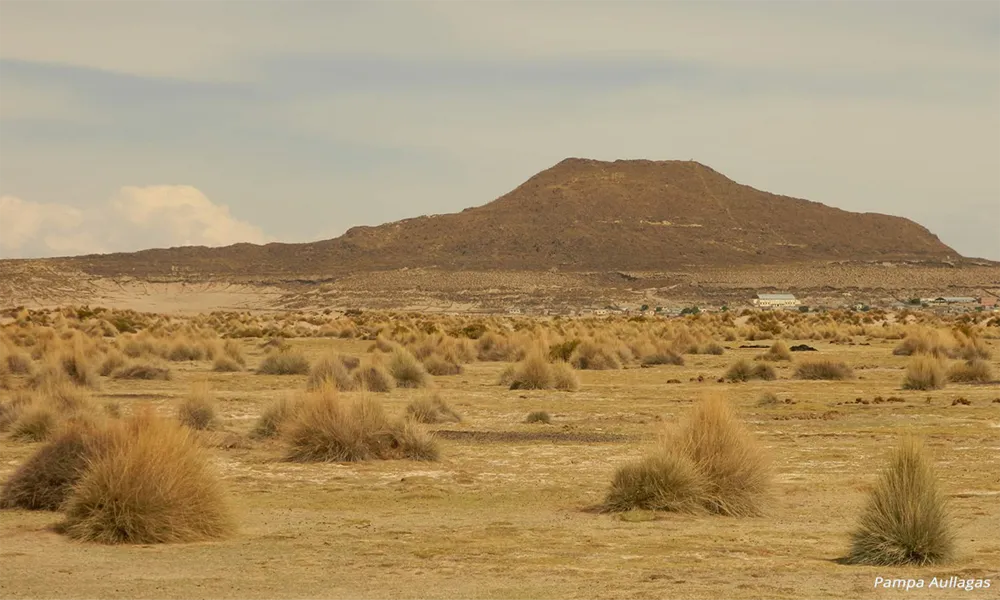
The landscape of Pampa Aullagas is dominated by vast plains, open skies, and a sense of immensity characteristic of the Bolivian highlands. Region has a cold, dry climate, with marked temperature variations between day and night.
The natural environment invites contemplation and tranquil tourism, ideal for those seeking to experience the Andean geography in its purest form. The vegetation is sparse but resilient, adapted to the harsh climatic conditions, while the silence of the place reinforces its introspective and spiritual character.
🏛️ Cultural Heritage
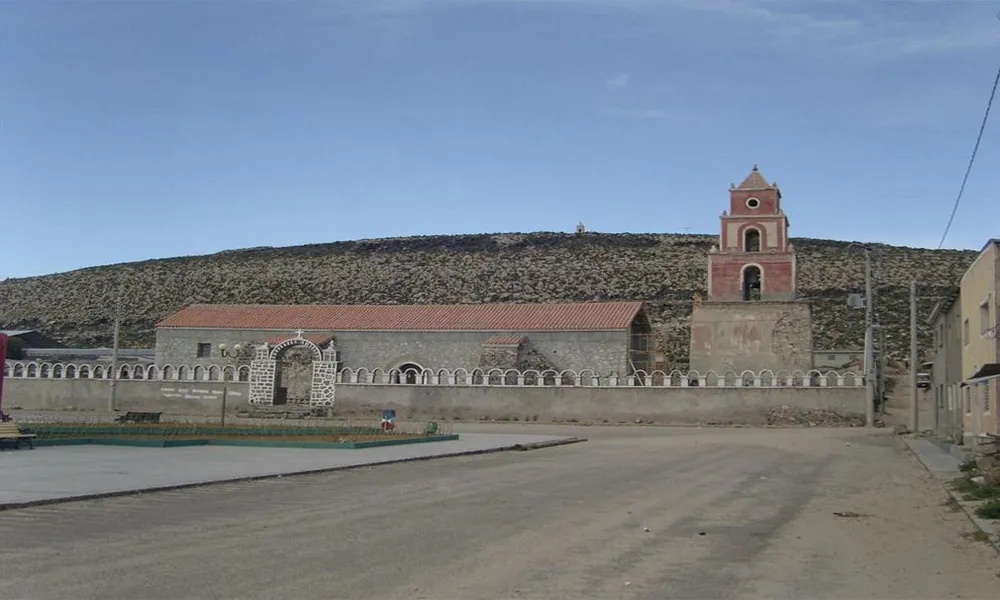
The importance of Pampa Aullagas lies not in grand monuments, but in its historical and symbolic value. The village preserves traditions, customs, and a community organization that reflects its Andean heritage. Agricultural practices, local festivities, and respect for the land are essential parts of daily life.
The community keeps its collective memory alive, making Pampa Aullagas a key place to understand regional history from a local and ancestral perspective.
👥 Community Life and Traditions
Life in Pampa Aullagas unfolds at a leisurely pace, marked by agricultural activities, communal work, and traditional celebrations. Religious and folk festivals reinforce the cultural identity of the place, combining Andean elements with colonial influences.
The sense of community is one of the village’s most prominent values, reflecting a way of life based on cooperation and respect for nature.
🌤️Climate
The climate of Pampa Aullagas is cold and dry, with temperatures ranging from 5°C to 18°C during the day, dropping considerably at night. The ideal time to visit is between May and September, during the dry season, when the sky is usually clear and the roads are more passable.
🥗Local Cuisine
The cuisine of Pampa Aullagas preserves the essence of the Altiplano:
- Royal quinoa: the base of soups, stews, and drinks.
- Dried llama or beef jerky: served with hominy or chuño (freeze-dried potatoes).
- Fish from Lake Poopó: such as trout or ispi (a type of catfish).
- Purple corn drink (api morado) with fritters: a typical breakfast or afternoon snack.
📖Travel Recommendations
- Bring warm clothing in layers, due to the low nighttime temperatures.
- Use sunscreen and wear a hat, as the sun’s rays are intense on the Altiplano. Respect the traditions and rituals of the local communities.
- Bring cash, as there are no ATMs in the area.
- Hire local guides to enrich your experience with historical and cultural stories.
✨ Historical and Tourist Value
Pampa Aullagas is an ideal destination for cultural and historical tourism. Visiting this place allows you to connect with the heart of Bolivia, where landscape and history intertwine naturally. It is a recommended destination for travelers interested in the pre-Hispanic past, early colonial history, and traditional life on the Altiplano.