
Tarija National Paleontological and Archaeological Museum
Tarija is not only captivating for its climate, its people, and its landscapes. Beneath its soil lies a millennia-old history that can now be explored thanks to the Tarija National Paleontological and Archaeological Museum, one of the most important cultural and scientific spaces in southern Bolivia 🇧🇴.
This museum invites you to travel back thousands of years, to when the valley was home to giant animals and the first human communities that left their mark on the region.
📌Location and practical information
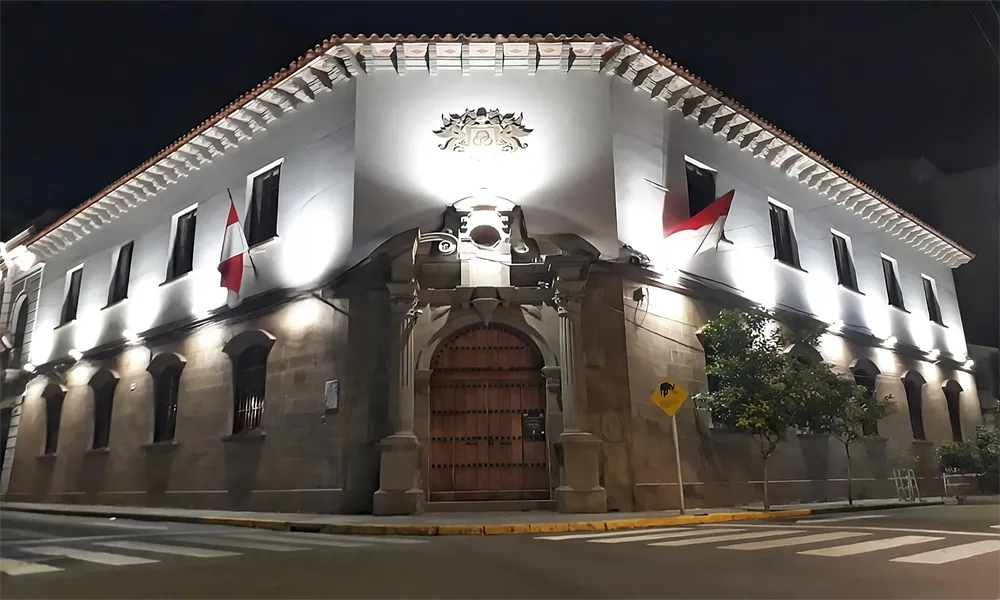
- It is located in the city of Tarija, Bolivia, very close to the main square (Plaza Luis de Fuentes y Vargas).
- The exact address is usually given as Calle General Trigo No. 405, corner of Virginio Lema.
- Typical opening hours: Monday to Friday, mornings and afternoons, and Saturdays as well; please check specific hours as they may vary.
- Admission: usually free, although some guides list a fee (for example, ~20 BOB). It’s best to confirm at the time of your visit.
🦣 A Museum Born from the Earth
The Tarija Valley is renowned for its paleontological wealth, considered among the most important in South America. Over time, scientific excavations have revealed exceptional fossil remains, leading to the creation of this museum as a space to conserve, research, and share this unique heritage.
Each room represents the effort of researchers and scientists who reconstruct the past from bones, tools, and artifacts found in the region.
🔍 What can you see in the museum?
🦴 Megafauna Fossils
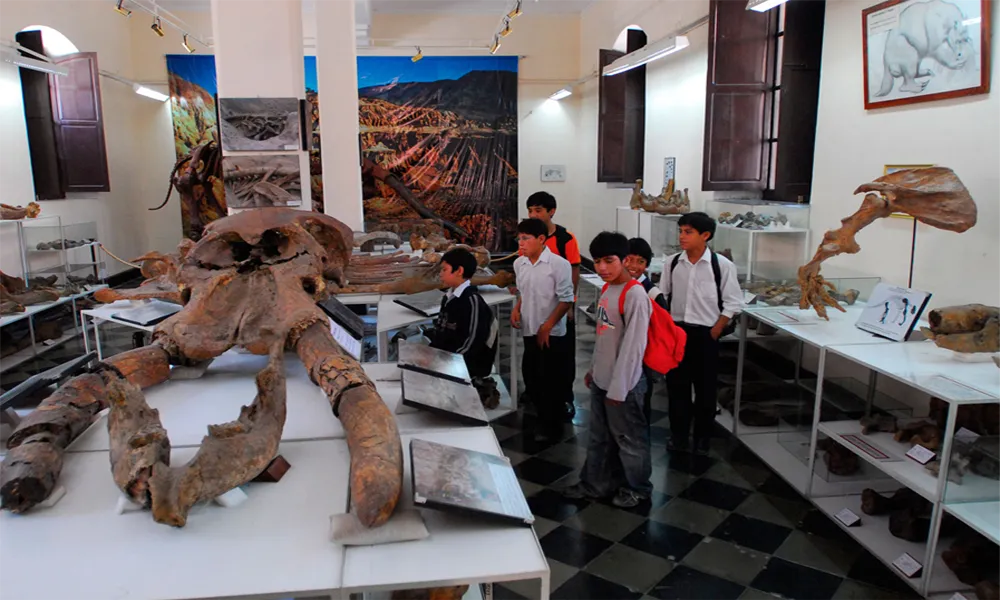
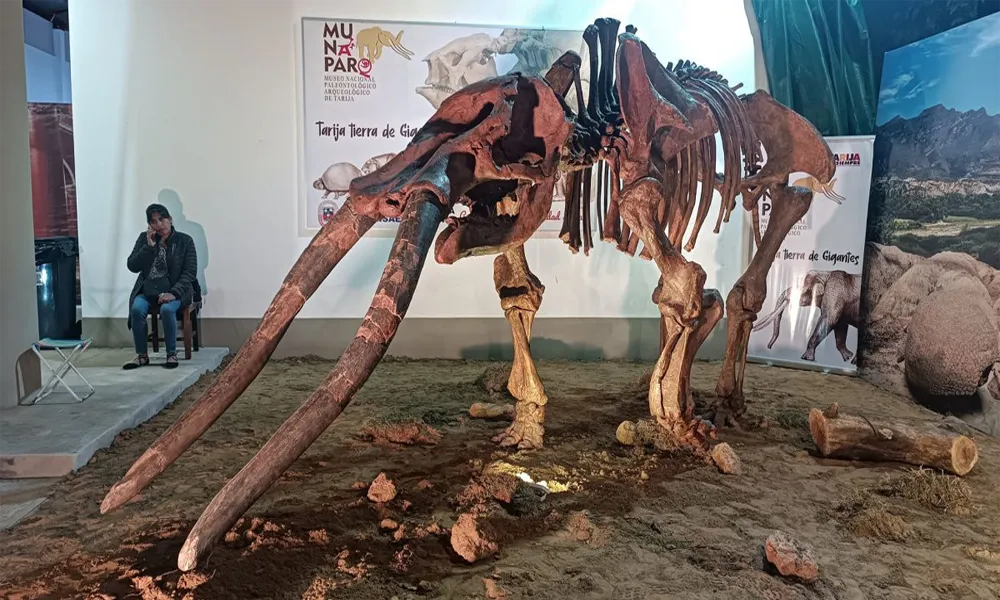
One of the most impressive sections is the prehistoric megafauna exhibit, featuring remains of:
- Giant Sloths 🦥
- Mastodons 🐘
- Glyptodonts 🐢
- Toxodonts 🦏
These species inhabited Tarija thousands of years ago, when the climate and vegetation were very different from today.
🧠 Reconstructions and Original Pieces
The museum combines authentic fossils, scientific replicas, and explanatory panels. The reconstructions help visitors imagine the true size of these animals and understand their way of life and extinction.
🏺 Archaeology and Early Inhabitants
The archaeological section displays objects used by ancient human communities, such as tools and ceramic fragments 🪨. These pieces reveal how the first inhabitants adapted to the valley’s environment.
🎓 An Educational Space for All Ages
The museum is designed for students, families, and tourists. The information is clear and educational, ideal for learning in an entertaining way and sparking scientific curiosity, especially in children and young people.
Visiting this place allows you to understand that every hill and every river in Tarija has a history much older than we imagine.
💡Specific Collection (Numbers, Specimens)
- Approximately 700 pieces on display: some 505 are fossil mammals from the Quaternary basin of the area; 195 are
- Paleozoic invertebrate fossils.
- The archaeological collection includes nearly 5,000 pieces of ceramics, stone, arrowheads, and various tools.
⭐ Cultural and Scientific Importance
The National Paleontological and Archaeological Museum of Tarija plays a key role in:
- 🛡️ Protection of fossil heritage
- 🧑🏫 Scientific education
- 🔬 Academic research
Thanks to this work, Tarija is recognized as a paleontological reference point nationally and internationally.
💡 Recommendations for your visit
- Set aside at least 1 hour for the tour
- Observe the details and read the information panels
- Ideal for school and family visits
- Do not touch the exhibits
- Ask before taking photographs
❓ Frequently Asked Questions (FAQ)
- Where is the museum located?
It is located in the city of Tarija, within the valley, in an easily accessible area.
- How long does the visit last?
The complete tour usually lasts between 45 minutes and 1 hour, depending on the visitor’s interest.
- Is it suitable for children?
Yes 👍. It’s a very educational and visual museum, ideal for children, students, and young adults.
- Is there an entrance fee?
Generally, the cost is affordable, and in some cases, there are special rates for students and children.
- Is photography allowed?
Yes, in most rooms, although flash photography is prohibited. Some areas may have restrictions.
- Are there guided tours?
Guided tours are offered at certain times or for school groups, which greatly enriches the experience.
🌟 A place that connects past and present
The National Paleontological and Archaeological Museum of Tarija doesn’t just house fossils: it houses memory. It’s a space that reminds us that before the city, before written history, this valley was home to giants and ancient cultures.
Visiting it is discovering that Tarija is not just experienced… it’s also learned about.