
Tariquía National Reserve of Flora and Fauna
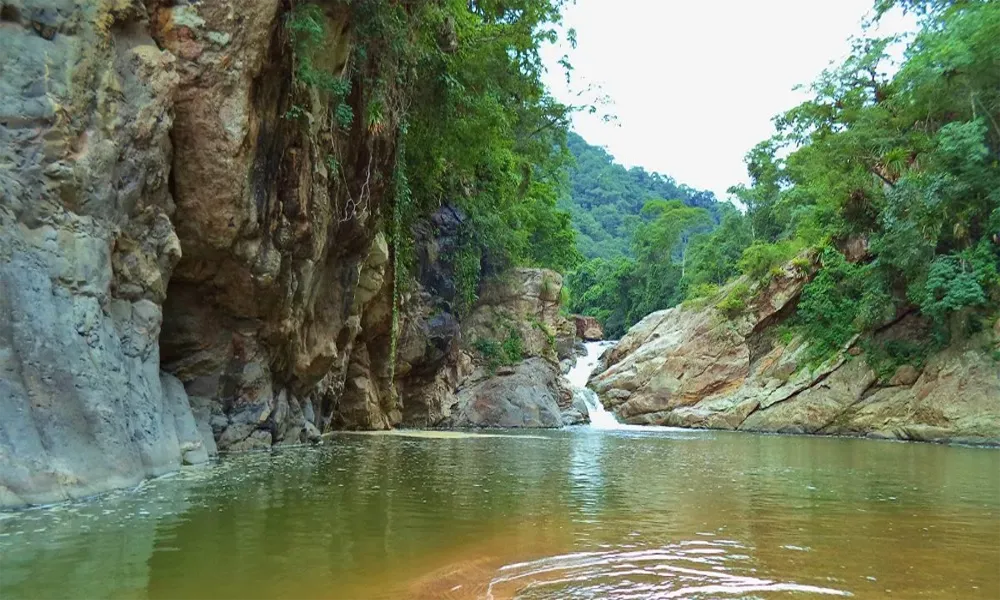
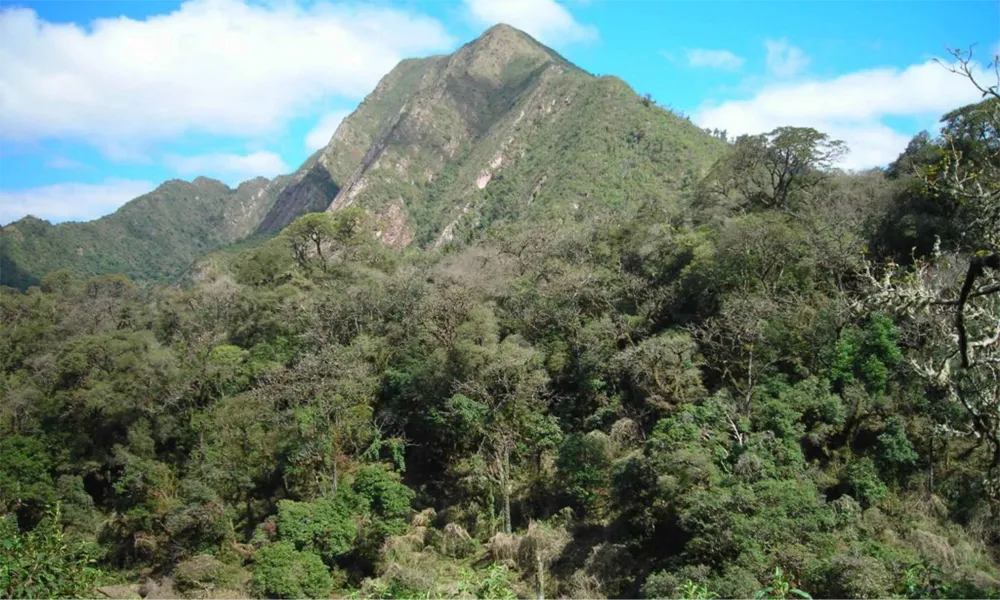
The Tariquía National Reserve of Flora and Fauna, located in the department of Tarija, Bolivia, is one of the country’s most important green spaces and a unique biodiversity refuge in the Tropical Andes. Established in 1989, it protects over 246,000 hectares, where ecosystems from the Chaco, Yungas, and humid montane forests converge, making it a natural sanctuary of great ecological, scientific, and touristic value.
📍 Location and Access
The reserve extends across the provinces of Arce, Gran Chaco, Burnet O’Connor, and Aniceto Arce, in southern Bolivia. The main access is from the city of Tarija, taking routes to the communities of Padcaya, Narváez, or Chiquiacá, which serve as gateways to the reserve.
🌱 Flora
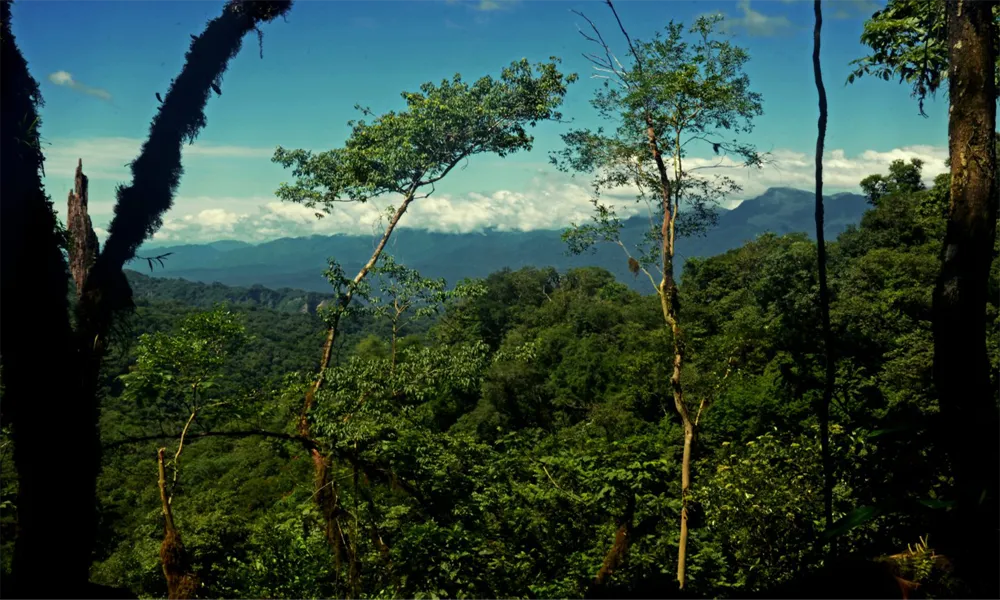
Tariquía protects one of the most complete vegetation covers in southern Bolivia. Here you’ll find cloud forests, high-altitude rainforests, dry inter-Andean forests, and transition zones leading to the Chaco region. Among the most representative species are:
- Cedar, walnut, and laurel.
- Giant ferns and native orchids.
- A wide variety of medicinal and edible plants used by local communities.
🐾 Fauna
The reserve boasts extraordinary wildlife:
- Mammals: Andean bear (jukumari), jaguar, puma, howler monkey, tapir.
- Birds: toucans, macaws, eagles, and more than 300 other recorded species.
- Amphibians and reptiles: endemic species that depend on the humid microclimate of the forests.
🌦️ Climate
The climate is varied due to the wide range of altitudes (from 600 to 3,600 meters above sea level). Heavy rains predominate between November and March, while the dry season runs from May to September, with cool temperatures and clear skies, ideal for nature tourism.
🛶 Activities and Tourism
Visiting Tariquía is like stepping into a little-explored world. Among the experiences it offers are:
- Ecotourism and birdwatching.
- Hiking along community trails and to natural viewpoints.
- Community-based tourism, sharing in agricultural and traditional activities with local families.
- Scientific research on flora, fauna, and water resources.
💲 Entrance Fees
Access to the reserve is free or has a nominal fee depending on the community and the organized activities (local guides, hikes, or rural lodging).
🏡 Lodging and Gastronomy
In the communities at the entrance, such as Chiquiacá and Narváez, there are basic accommodations and family homes offering rustic lodging and traditional meals made with local products like corn, potatoes, goat cheese, and Andean herbs.
🍲 Local Gastronomy
Among the most representative dishes:
- Sajta de pollo criollo (a traditional Andean chicken stew).
- Andean corn tamales.
- Typical drinks such as chicha de maíz (corn beer) and Tarija wine.
✅ Tips for Visitors
- Bring light clothing for the day and warm clothing for the night.
- Wear hiking boots and a waterproof poncho during the rainy season.
- Respect conservation regulations: do not litter or disturb the ecosystem.
- Hire local guides for an authentic and safe experience.
🌍 Importance of the Tariquía Reserve
The Tariquía National Reserve of Flora and Fauna not only protects unique species and water sources for Tarija, but also represents a space of environmental resilience against threats such as agricultural expansion and extractive projects. Its ecological and cultural value makes it an ideal destination for those seeking sustainable tourism, pristine nature, and authentic experiences in Bolivia.