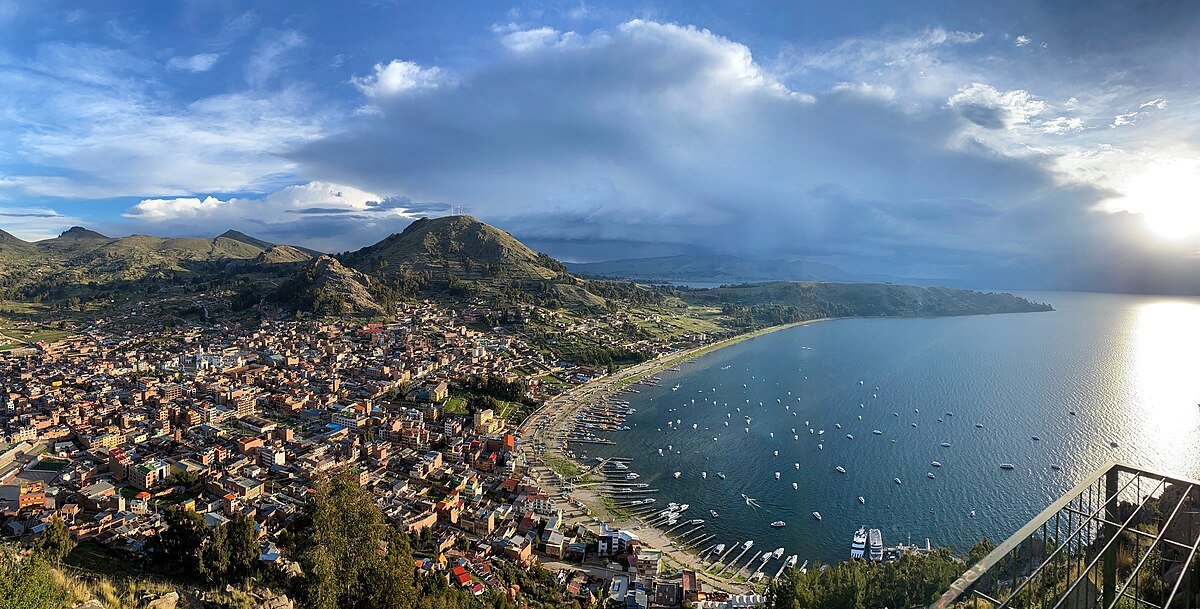

Copacabana: Spiritual and Cultural Jewel of Lake Titicaca
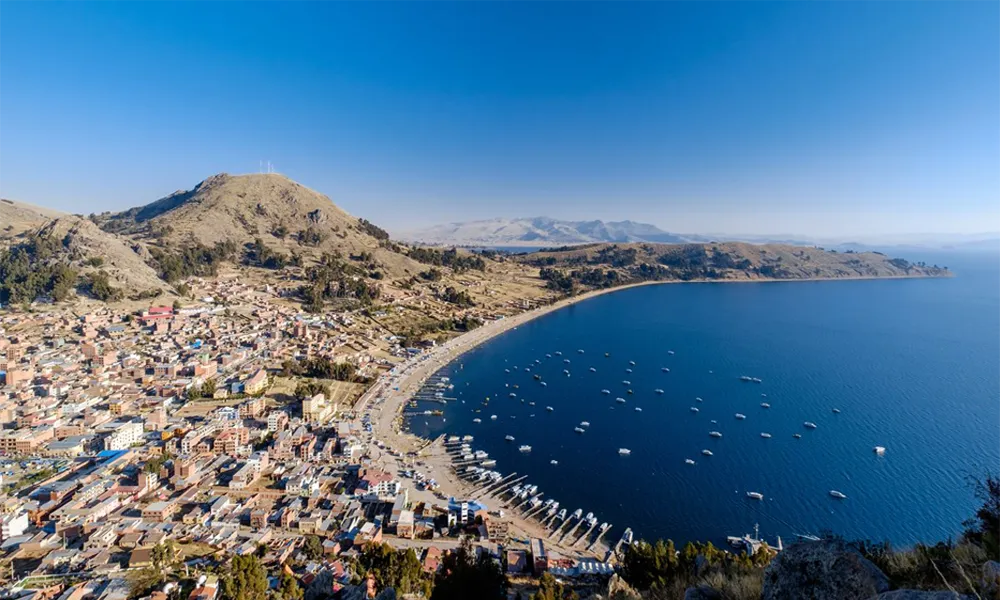
Copacabana is one of Bolivia’s most iconic destinations. Located on the shores of majestic Lake Titicaca, this small town combines breathtaking landscapes, ancestral traditions, and profound spirituality. It is a place where nature and faith coexist in perfect harmony.
📍 Location and Natural Surroundings
Copacabana is located in the department of La Paz, at over 3,800 meters above sea level, in the heart of the Andean highlands. Its surroundings are dominated by the intense blue of the lake, rolling hills, and vast skies that change color throughout the day. The climate is cool, but the atmosphere is warm thanks to the hospitality of its people.
The lake not only enhances the landscape but is also a source of life, culture, and mythology for the Andean people.
🏛️ History and Cultural Origins
Before the arrival of the Spanish, Copacabana was already an important ceremonial center for Andean cultures, especially the Aymara people. The site was dedicated to the worship of deities associated with water, fertility, and Pachamama (Mother Earth).
Over time, these beliefs blended with Christianity, giving rise to a unique cultural identity that is still alive in its festivals and rituals.
⛪ The Basilica of Copacabana
One of the city’s main symbols is the Basilica of Our Lady of Copacabana, an imposing colonial-style church. Inside is the image of the Virgin of Copacabana, considered the patron saint of Bolivia.
Every year, thousands of faithful come here to ask for blessings, give thanks for favors received, and participate in religious celebrations full of color, music, and devotion.
🚗 Unique Traditions and Rituals
One of Copacabana’s most striking customs is the blessing of vehicles. Drivers from all over bring their cars to receive protection, adorning them with flowers, streamers, and offerings. This ritual reflects the fusion of Catholic faith and Andean beliefs.
Local festivals include traditional dances, indigenous music, and typical foods that reinforce the sense of community.
🏝️ Gateway to the Island of the Sun
Copacabana is the main access point to the Island of the Sun, one of the most sacred places in the Andean worldview. According to tradition, the Sun was born here, and the Inca civilization originated here.
Boats depart from the port, connecting visitors to this site full of history, agricultural terraces, and ceremonial trails.
🌤️ Climate
Copacabana has a cool, dry climate, with an average temperature of 5°C to 17°C during the day. Nights are usually cold year-round, so it’s advisable to bring warm clothing. The best time to visit is between May and September, when the skies are clearer.
How to get there
- From La Paz: the journey takes approximately 3.5 hours by bus (151 km). The route includes a ferry crossing of the Tiquina Strait.
- From Peru (Puno): the trip takes about 3 hours by bus, crossing the border at Yunguyo or Kasani.
💵Reference Prices
- Bus La Paz – Copacabana: between Bs. 30 and Bs. 40 (5 – 6 USD).
- Tours to Isla del Sol: from Bs. 35 per person (5 USD).
- Accommodation: budget hostels from Bs. 50 (7 USD) and 3- to 4-star hotels from Bs. 250 (36 USD).
- Typical lunches: Bs. 25 – 40 (4 – 6 USD), featuring Titicaca trout.
Local Cuisine
Copacabana is famous for its fresh trout dishes prepared in various ways: fried, grilled, in soup, or with garlic. You can also try wallake (Andean fish soup), royal quinoa in stews, and hot drinks like api morado (purple corn drink).
Recommended Hotels
- Hotel Rosario del Lago – 4-star hotel with views of Lake Titicaca.
- Hostal La Cúpula – a charming option with colonial architecture.
- Hotel Las Olas – an eco-lodge with cabins facing the lake.
Travel Tips
- Bring sunscreen and sunglasses: the radiation is intense at high altitude.
- Drink coca tea to prevent altitude sickness.
- Book tours in advance during peak season.
- Respect sacred spaces during rituals and hikes.