
Church of San Lorenzo de Carangas
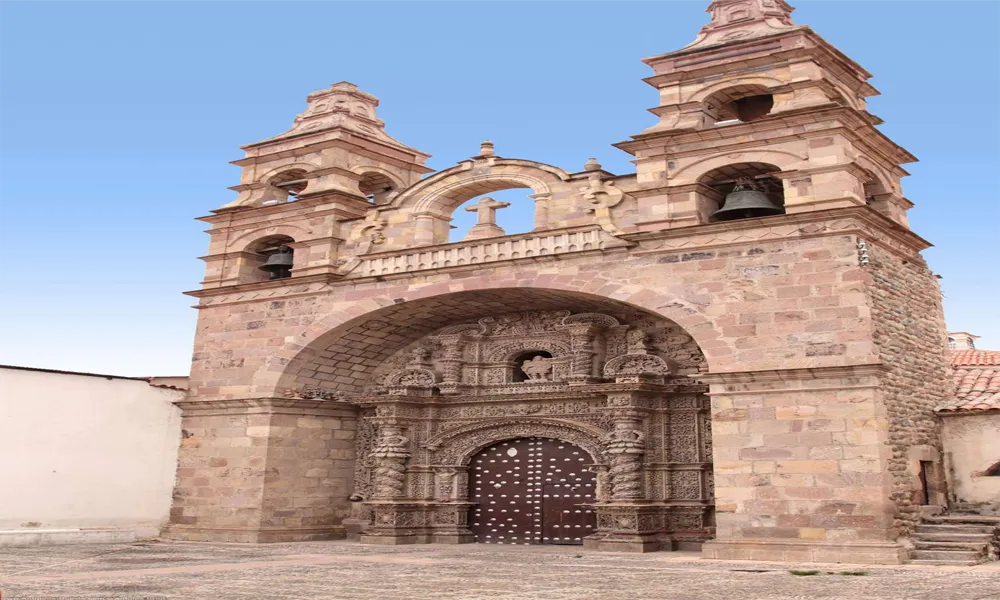
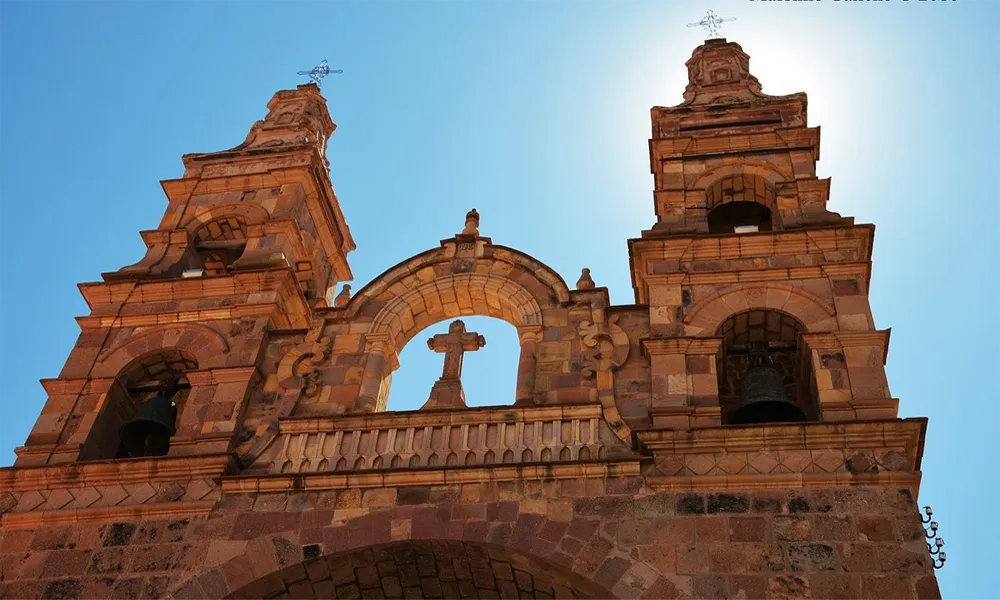
The Church of San Lorenzo de Carangas is one of the most emblematic and valuable temples in Potosí’s historical heritage. Considered a jewel of Andean mestizo Baroque, this church stands out for its extraordinary stone façade, rich in religious symbolism and iconographic elements that fuse European Christian tradition with the Andean worldview.
Located in the city’s historic center, the church is an essential stop for those who wish to understand the artistic and spiritual richness that flourished in the Imperial City during the colonial era.
📜 History of the Church of San Lorenzo de Carangas
Construction of the church began in the 16th century and it was expanded and decorated between the 17th and 18th centuries, during Potosí’s economic boom thanks to the silver mining of Cerro Rico. Its name refers to the Carangas region, from where many indigenous people came to work in the city and actively participated in the construction of the church.
San Lorenzo de Carangas was conceived as a place of worship primarily for the indigenous population, which explains the strong presence of Andean symbols integrated into the Christian artistic language.
🏛️ Mestizo Baroque Architecture and Façade
The church’s greatest attraction is its monumental façade, considered one of the most beautiful in Bolivia. Carved in stone with an exceptional level of detail, it features a complex ornamental composition that includes:
- Profusely decorated Solomonic columns.
- Angels, cherubs, and Christian saints.
- Floral motifs, birds, and zoomorphic figures of Andean inspiration.
- Solar and plant symbols that evoke the pre-Hispanic worldview.
This mestizo Baroque style reflects the cultural dialogue between indigenous artisans and European models, resulting in a unique work of South American colonial art.
🎨 Religious Art Inside
The interior of the Church of San Lorenzo de Carangas, while more austere than its facade, houses important examples of colonial sacred art:
- Baroque altarpieces carved in wood.
- Religious paintings from the Potosí school.
- Devotional sculptures of saints and virgins.
- Ornamental details that reinforce the spiritual character of the church.
These elements served a catechetical function, helping to transmit the Christian message to a predominantly indigenous population.
✝️ Cultural and Symbolic Importance
San Lorenzo de Carangas is much more than a religious temple. It represents a symbol of the cultural and artistic fusion that defined Potosí during the colonial period. Its historical and artistic value makes it a fundamental reference point for the study of Andean colonial art.
Furthermore, it forms part of the monumental complex that supports Potosí’s declaration as a World Heritage Site.
📍 Location
The church is located in the historic center of Potosí, integrated into the colonial urban environment and close to other temples, convents, and museums of great heritage value.
✅ Recommendations for your visit
- Observe the façade carefully; every detail has symbolic meaning.
- Take your time to visit the temple and appreciate the transition between the ornate exterior and the austere interior.
- Maintain a respectful attitude, as it is an active religious space.
- Combine your visit with other colonial temples to better understand Andean Baroque.
❓ Frequently Asked Questions
- Where is the Church of San Lorenzo de Carangas located?
It is located in the historic center of Potosí, as part of the city’s colonial monumental complex.
- Why is this church so important?
Because it is considered one of the finest examples of Andean mestizo baroque in Bolivia, especially for its extraordinary stone-carved facade.
- What is mestizo baroque?
It is a colonial artistic style that blends European baroque elements with symbols, forms, and worldviews of the Andean, visible in the decoration of the facade.
- What are the most outstanding features of the church?
Its monumental facade, with Solomonic columns, angels, floral motifs, birds, and Andean symbols sculpted in great detail.
- Is the interior of the church also decorated?
Yes, although it is more austere than the facade, it houses baroque altarpieces, colonial paintings, and religious sculptures of great historical value.
- Is the church still in use?
Yes, it continues to be a place of worship, so respect is advised during your visit.
✨ A jewel of Andean mestizo baroque
The Church of San Lorenzo de Carangas is one of the finest examples of colonial art in Bolivia. Its impressive facade, profound symbolism, and historical significance make it a must-see for anyone seeking to discover the cultural and spiritual legacy of Potosí.