
Convent of San Francisco de Asís in Potosí
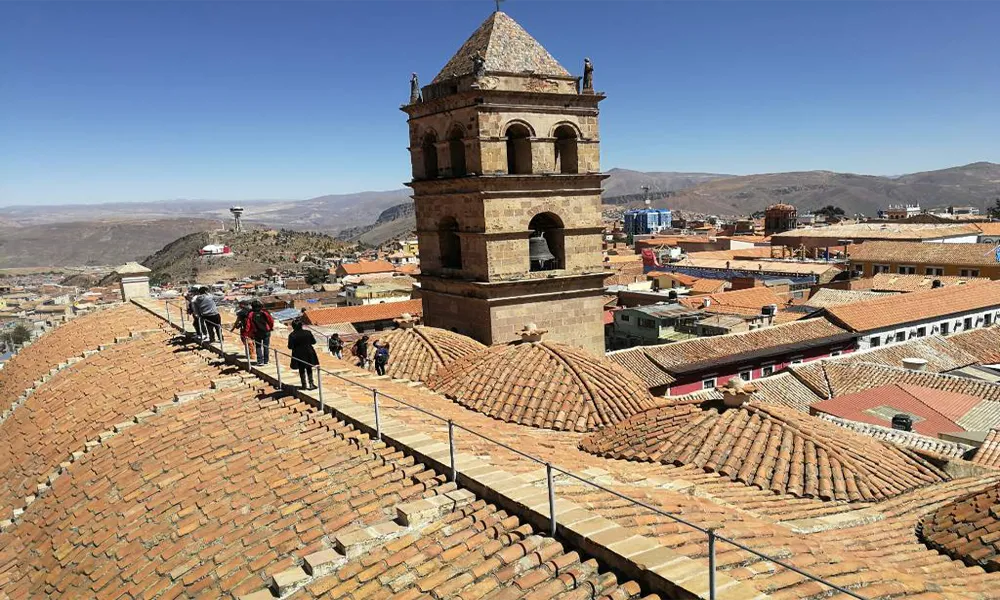
The Convent of San Francisco de Asís is one of the oldest and most important religious and heritage sites in the city of Potosí. Its imposing colonial architecture, its profound historical significance, and its role in the city’s spiritual life make it a key site for understanding Potosí’s religious, social, and cultural past during the viceroyalty.
Located in the historic center, this Franciscan convent has been, since its founding, a space for faith, education, and social assistance, closely linked to the urban development of the former Imperial City.
📜 History of the Convent of San Francisco
The presence of the Franciscan order in Potosí dates back to the 16th century, a few years after the discovery of Cerro Rico (Rich Hill). The convent was founded with the aim of evangelizing the indigenous population and providing spiritual care to the inhabitants of a city that was growing rapidly thanks to silver mining.
Over the centuries, the Convent of San Francisco de Asís was expanded and rebuilt in different stages, incorporating colonial architectural elements that reflect the wealth and economic dynamism that characterized Potosí during its golden age.
🏛️ Architecture and Spaces of the Convent
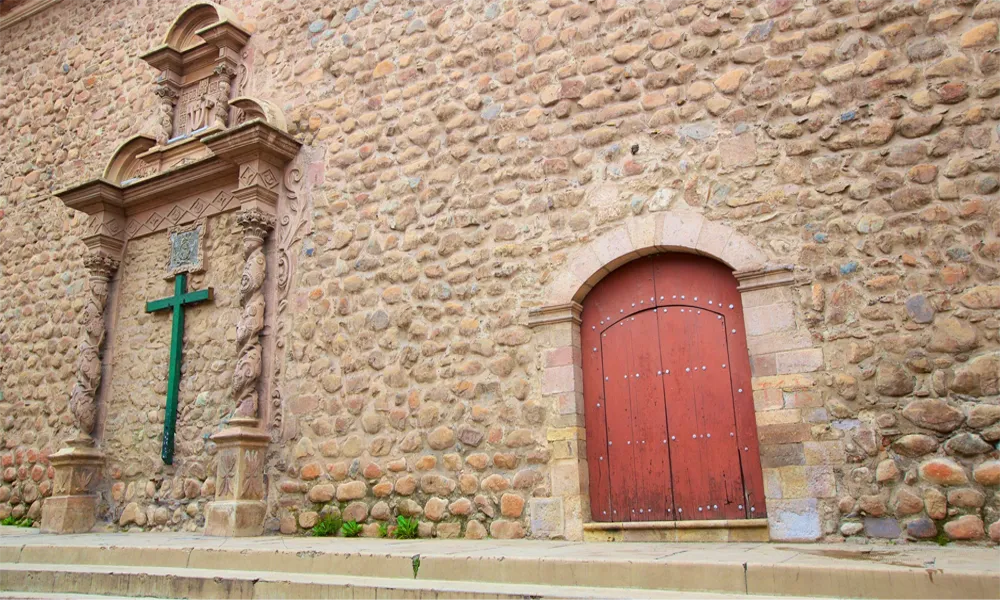
The convent complex stands out for its sobriety and balance, characteristic of the Franciscan style, combined with decorative details typical of Andean colonial art. Among its main features are:
- A main church with a solid façade and austere lines.
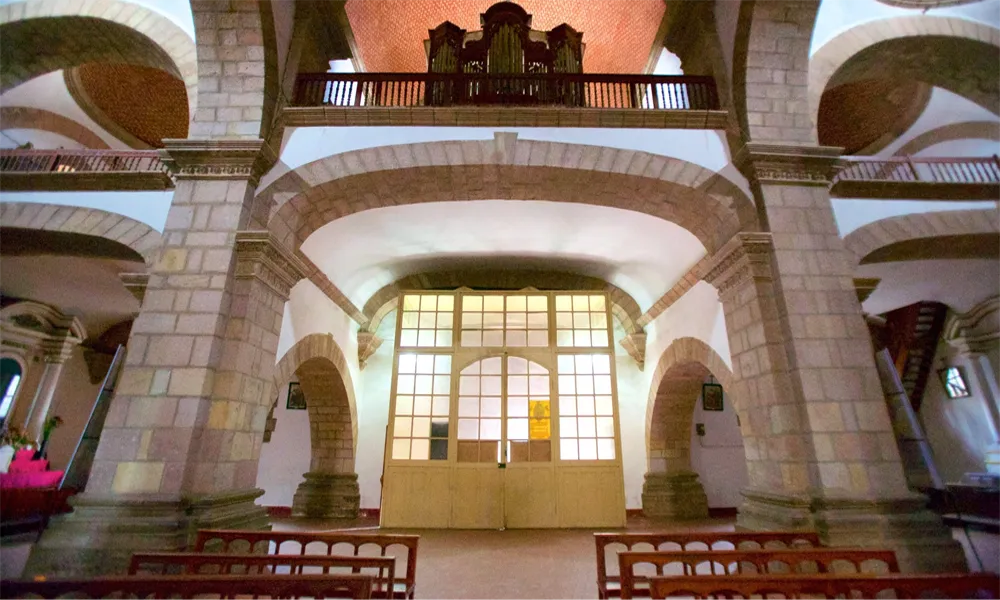
- Interior cloisters, spaces of silence and contemplation used by the friars.
- Colonial courtyards that structured convent life.
- Stone and adobe walls, testament to traditional construction techniques.
- Baroque altars, decorated with wood carvings and gold leaf.
These spaces reflect Franciscan spirituality, based on simplicity, contemplation, and service to the community.
🎨 Religious Art and Cultural Heritage
The Convent of San Francisco houses important examples of colonial sacred art. Paintings, sculptures, and liturgical objects showcase the fusion of European Christian iconography and Andean artistic sensibility.
The works in the convent served not only a religious function but also an educational one, acting as a means of evangelization for a predominantly Indigenous population during the colonial period.
✝️ Religious and Social Significance
Beyond its architectural value, the Convent of San Francisco de Asís played a fundamental role in the social life of Potosí. The Franciscans dedicated themselves to teaching, caring for the sick, and supporting the city’s most vulnerable sectors.
This social and spiritual legacy has endured over time, solidifying the convent as one of the symbols of the Franciscan presence in Bolivia.
🌍 Heritage Value
The convent is part of the historical complex that supports Potosí’s declaration as a World Heritage Site. Its preservation keeps alive the memory of a city that was key in the economic and cultural history of South America.
📍 Location
The Convent of San Francisco de Asís is located in the historic center of Potosí, integrated into the colonial urban layout and close to other important religious and cultural monuments.
✅ Recommendations for your visit
- Visit respectfully, as this is an active religious space.
- Carefully observe the details of the altars and the interior architecture.
- Take time to explore the cloisters and courtyards to appreciate their historical atmosphere.
- Combine your visit with other convents and churches in the historic center for a comprehensive view of the colonial heritage.
❓ Frequently Asked Questions
- Where is the Convent of San Francisco de Asís located?
It is located in the historic center of Potosí, integrated into the colonial urban layout and close to other churches and heritage museums.
- What is the historical significance of the convent?
It is one of the oldest religious complexes in the city and played a key role in evangelization, education, and social assistance during the colonial era.
- What architectural style does it feature?
The colonial style predominates, with Franciscan influences, characterized by its sobriety, balanced forms, and the use of traditional materials such as stone and adobe.
- What can you see during your visit?
The main church, interior cloisters, colonial courtyards, Baroque altars, and various expressions of colonial religious art.
- Does the convent still function as a religious space?
Yes, in addition to its heritage value, it continues to be a space for worship and religious life, so we recommend maintaining a respectful attitude.
- How much time is recommended for the visit?
Between 45 minutes and 1 hour is enough to explore its main areas at a leisurely pace.
✨ A Franciscan legacy in the Imperial City
The Convent of San Francisco de Asís in Potosí is a living testament to the faith, art, and history that shaped the ancient Imperial City. Its understated architecture, valuable artistic heritage, and profound social impact make it an essential visit for those who wish to discover the spiritual and cultural heart of Potosí.