

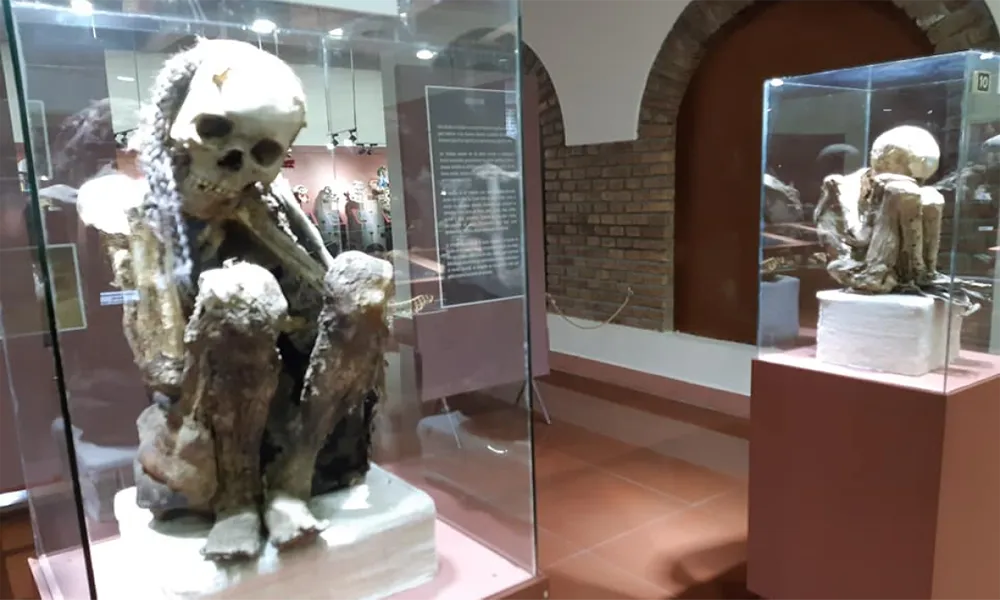
Eduardo López Rivas National Anthropological Museum
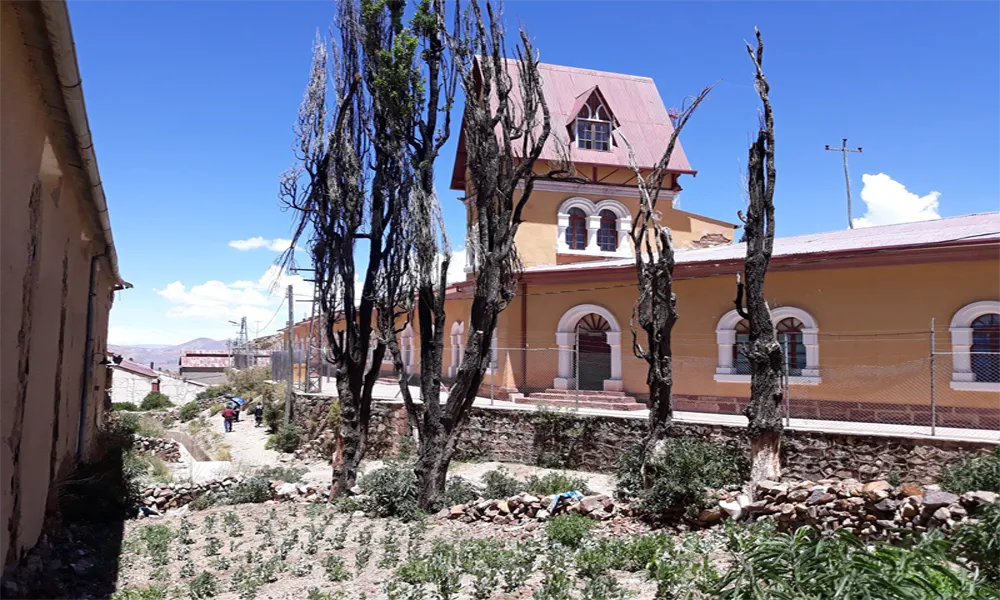
The Eduardo López Rivas National Anthropological Museum is one of the most important cultural institutions in the city of Oruro and the country. This museum safeguards and disseminates Bolivia’s anthropological heritage, highlighting the cultural, ethnic, and symbolic diversity of the indigenous peoples and the popular expressions that have shaped the national identity.
- Official Name: Eduardo López Rivas National Anthropological Museum
- Location: Avenida España (corner of España and Urquidi, southern zone), City of Oruro, Department of Oruro, Bolivia
- Altitude: Approximately 3,709 meters above sea level
- Date of Foundation: November 1, 1959
- Affiliation: It is a municipal museum, administered by the Autonomous Municipal Government of Oruro
📜 Origin and Legacy of Eduardo López Rivas
The museum is named after Eduardo López Rivas, a prominent intellectual and cultural promoter whose contributions were fundamental to preserving Bolivia’s historical and anthropological memory. His vision allowed for the consolidation of a space dedicated to the study, conservation, and dissemination of Andean and Amazonian cultures, as well as the mestizo traditions that characterize the country.
Since its creation, the museum has become an academic and cultural landmark for both researchers and visitors interested in understanding Bolivia’s rich cultural heritage.
🧬 Collections and Thematic Galleries
The National Anthropological Museum houses a valuable collection of artifacts spanning different historical periods and regions of the country. Its main exhibits include ethnographic objects, traditional clothing, musical instruments, ceramics, textiles, and ritual elements used by various indigenous cultures.
The galleries are organized thematically, allowing visitors to explore fundamental aspects such as the Andean worldview, ceremonial practices, daily life, social organization, and artistic expressions of the Bolivian people.
🪶 Andean Culture and Living Traditions
One of the museum’s central focuses is Andean culture. Through its exhibits, key concepts are explained, such as the relationship with Pachamama (Mother Earth), respect for natural cycles, and the importance of sacred mountains. These displays help visitors understand how these ancestral traditions remain alive in the lives of many communities today.
The museum also highlights the rich symbolism of dances, festivals, and rituals that form part of the country’s cultural heritage.3
🏺 Educational and Academic Value
The Eduardo López Rivas National Anthropological Museum plays a vital role as an educational space. It is frequently visited by students, teachers, and researchers who find its collections an invaluable resource for the study of anthropology, history, and the social sciences.
Furthermore, the museum contributes to reflection on identity, cultural diversity, and intercultural respect, promoting the recognition of Indigenous peoples within Bolivian society.
🌱 Cultural Importance for Oruro
For the city of Oruro, this museum represents a pillar of its cultural life. It complements the city’s historical and folkloric character, especially in relation to its festivals and traditions, offering a space for in-depth interpretation that goes beyond the festive aspects.
📝 Recommendations for Visiting
- Dedicate sufficient time to the tour, as the galleries contain detailed information and pieces of great cultural value.
- Read the interpretive panels carefully to understand the historical and symbolic context of each exhibit. Maintain a respectful attitude toward the artifacts and cultural themes, many of which are linked to living traditions.
- Avoid touching the exhibits, as they are part of the national anthropological heritage.
- If you are visiting with children or students, take advantage of the visit as an educational experience to reflect on identity and cultural diversity.
- Bring a light jacket, as some areas can feel cold, especially during the winter season in Oruro.
- Respect the museum’s internal rules and the staff’s instructions.
❓ Frequently Asked Questions
- What is the Eduardo López Rivas National Anthropological Museum?
It is a cultural institution dedicated to the conservation and dissemination of Bolivia’s anthropological heritage, with an emphasis on the country’s indigenous peoples and cultural traditions.
- Where is the museum located?
The Eduardo López Rivas National Anthropological Museum is located in the city of Oruro, within the urban cultural and historical circuit.
- What kind of exhibitions can be seen?
The museum exhibits ethnographic pieces, textiles, ceramics, traditional clothing, musical instruments, and ritual objects from diverse Bolivian cultures.
- Does the museum focus solely on Andean culture?
No. While Andean culture plays a central role, the museum also presents cultural expressions from other regions and peoples of the country.
- Is this museum suitable for students?
Yes. It is an ideal educational space for students of all levels, especially those studying history, anthropology, and social sciences.
- How long does an average visit last?
A complete visit usually takes between one and two hours, depending on the visitor’s interest and the time spent in each room.
✨ A space to understand Bolivia
The Eduardo López Rivas National Anthropological Museum is not just an exhibition space, but a space for dialogue between past and present. Through its collections and narratives, it invites visitors to understand the cultural complexity of Bolivia, strengthening collective memory and respect for the diversity that defines the country.