
Inca’s Eye in Potosí: Sacred Hot Springs of the Bolivian Altiplano
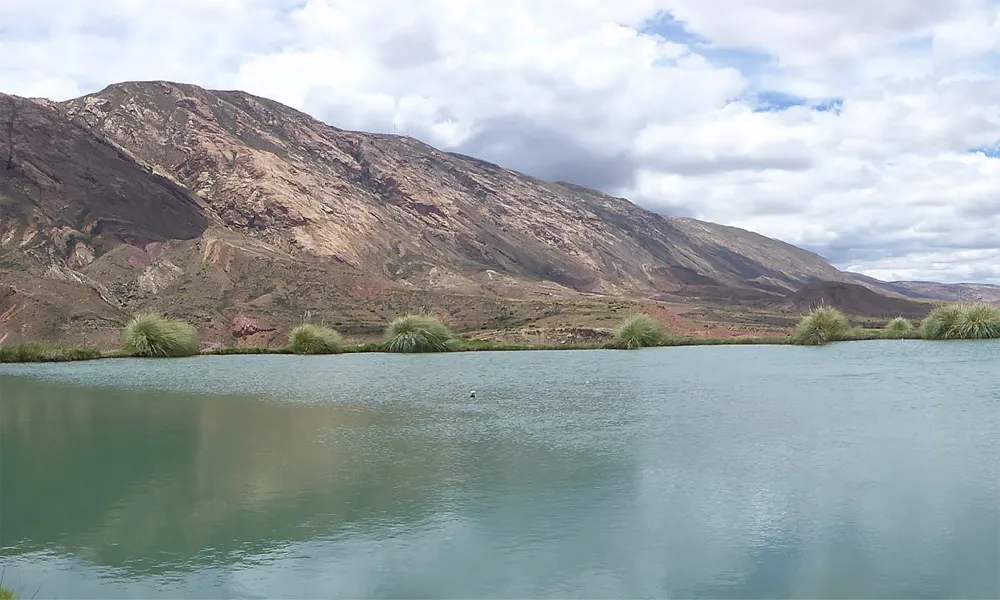
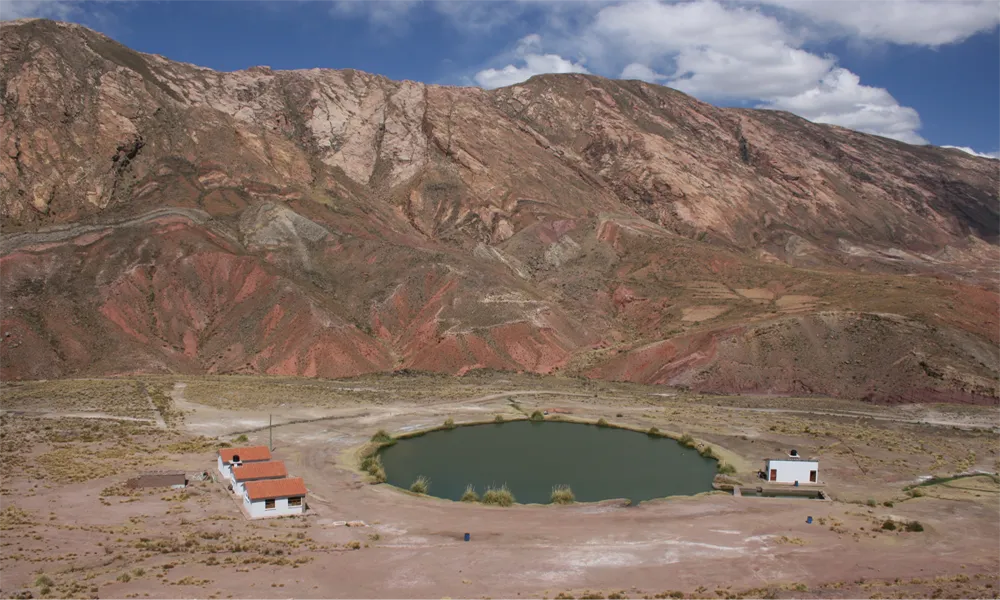
The Inca’s Eye is one of the most unique and little-known natural destinations on the Bolivian Altiplano. Located in the department of Potosí, this hot spring stands out for its almost perfectly circular shape, reminiscent of a giant eye emerging from the Andean earth. Surrounded by arid landscapes, mountains, and absolute silence, the place conveys a sense of mysticism and a profound connection with nature.
📌Location
The Inca’s Eye is located about 25 km from the city of Potosí, in the municipality of Chaqui, at an altitude of approximately 3,600 meters above sea level. Access is relatively easy from the main road, making it an ideal half-day excursion or a complement to a cultural tour in Potosí.
🌋 A Unique Natural Phenomenon
The Inca’s Eye is a natural spring of thermal waters that emerge from the subsoil, forming a small lagoon with emerald and turquoise hues. The water temperature is warm year-round, a stark contrast to the cold climate of the Andean highlands. This thermal contrast generates constant steam, creating an almost magical atmosphere, especially during the early morning hours.
The circular shape of the spring is no accident: it is due to the natural pressure of the underground water and the geological composition of the area, which is rich in minerals. For this reason, the water has properties that, according to local tradition, are beneficial for the skin, muscles, and joints.
🪶 History and Andean Cosmovision
According to oral traditions, the Inca’s Eye was considered a sacred place since pre-Hispanic times. For Andean cultures, springs were seen as “eyes of Pachamama,” points through which Mother Earth observes and communicates with human beings. It is believed that purification and gratitude rituals were performed here, especially those linked to water and fertility.
The name “Ojo del Inca” (Eye of the Inca) reinforces this symbolic vision, associating it with the Inca legacy and the ancestral spirituality that still survives in many communities of the Altiplano.
🌄 Landscape and Visitor Experience
Visiting Ojo del Inca is a profoundly sensory experience. The surroundings are silent, open, and dominated by ochre tones and vast skies. It is not a mass tourism destination, allowing visitors to enjoy the place calmly and respectfully. Immersing yourself in its thermal waters, while the cool air of the Altiplano envelops your body, is an experience that combines physical relaxation and emotional well-being.
Furthermore, the site is ideal for landscape photography, nature tourism, and those seeking authentic places far from traditional tourist routes.
🌱 Responsible Tourism
The Eye of the Inca is a fragile natural space of great cultural value. Therefore, it is essential to visit it respectfully: do not leave any trash, avoid using polluting products in the water, and maintain a conscious attitude toward the environment and local beliefs. Preserving this place is key for it to continue being a natural and spiritual sanctuary for future generations.
☀️Natural Features
- Type: Natural thermal lagoon.
- Diameter: Approximately 100 meters.
- Depth: Estimated between 30 and 50 meters.
- Water Temperature: Between 30°C and 35°C, ideal for relaxing thermal baths.
- Composition: Volcanic water with a high concentration of minerals, associated with benefits for the skin, circulation, and overall well-being.
⛰️Activities You Can Do
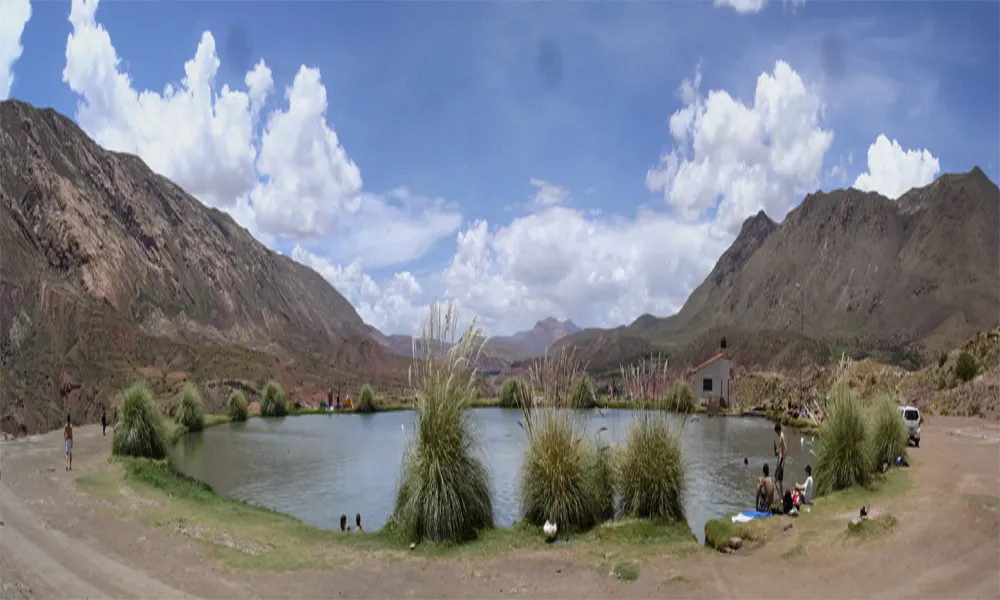
- Thermal Baths: Enjoy the warm and relaxing waters.
- Photography and Landscape: Ideal for capturing the contrast of the turquoise water with the mountainous surroundings.
- Short Walks: Walks around the lagoon and through the nearby rural landscapes.
- Cultural Tourism: Complement your visit with the mining history of Potosí and the traditional villages of the area.
🌤️Climate
The climate in the region is cold, typical of the Bolivian highlands, with average temperatures ranging from 5°C to 15°C. However, the hot springs maintain a pleasant temperature that contrasts with the cool air. The best time to visit is between May and October (dry season), when access is easier.
How to get there
From Potosí: You can arrive by private transport, tourist taxis, or hired vehicles. The journey takes approximately 40 minutes.
Organized tours: There are agencies that include the Ojo del Inca (Inca’s Eye) as part of cultural and nature tours around Potosí.
📖Practical tips
- Bring swimwear and a towel to enjoy the hot springs.
- Use sunscreen and a hat, as UV radiation is intense at this altitude.
- Do not litter or leave any pollutants, as the lagoon is a delicate ecosystem.
- Avoid swimming in the deep areas if you are not experienced.
Tourist Recommendations
- Combine your visit with a trip to Cerro Rico de Potosí or the Potosí Cathedral Basilica.
- Respect the natural and cultural environment, as the site is considered sacred.
- Visit in the morning or at sunset, when the sun creates unique reflections on the surface of the lagoon.
✨ A Hidden Treasure of Potosí
The Inca’s Eye represents the perfect union of nature, history, and Andean spirituality. More than just a tourist attraction, it is a reminder of the profound connection between humankind and the land in the Bolivian Andes. For those seeking authentic, tranquil, and meaningful experiences, this corner of Potosí becomes an unforgettable stop.