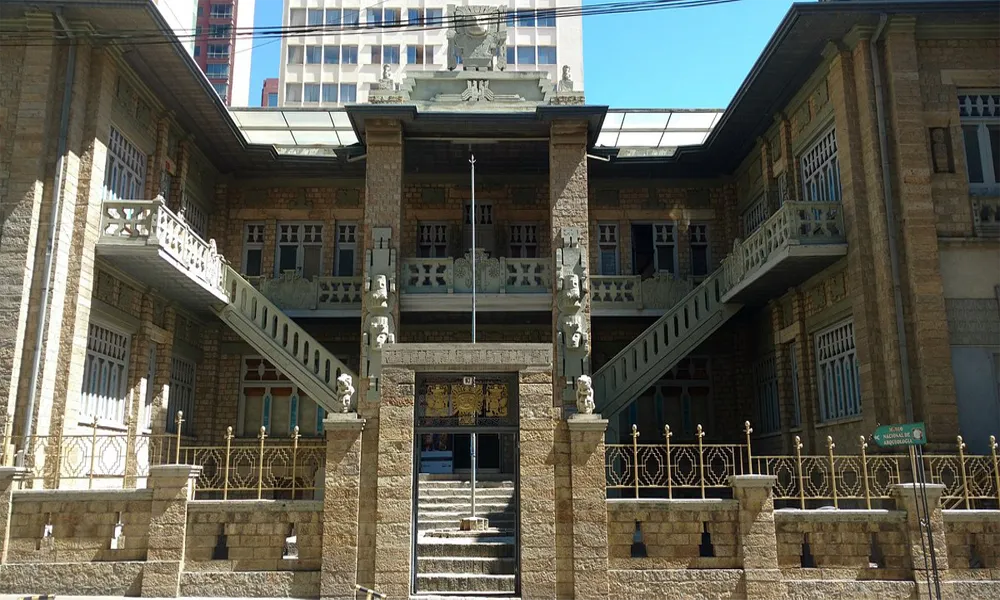

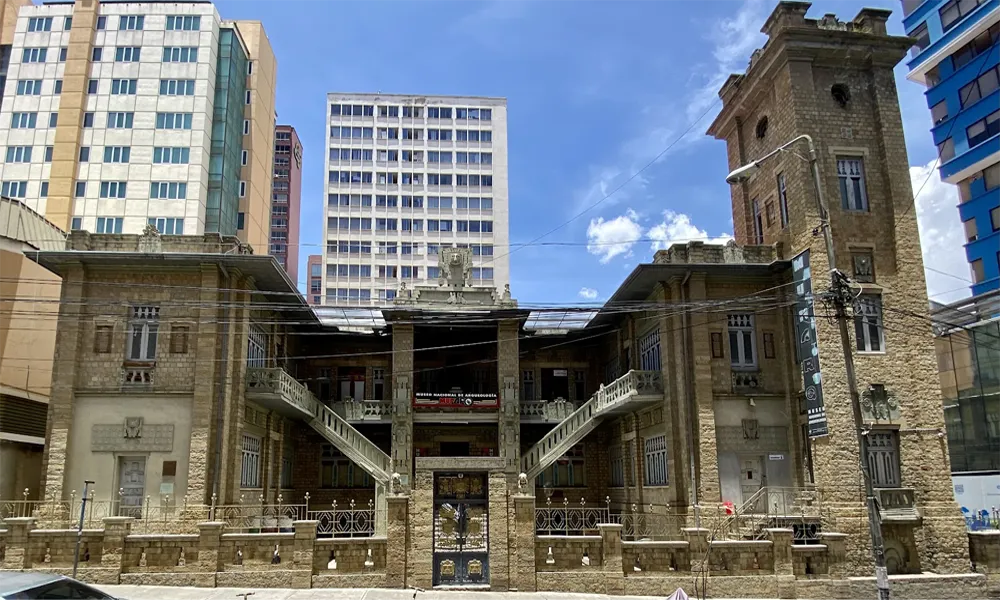
National Museum of Archeology (MUNARQ)
The National Museum of Archaeology (MUNARQ) is one of the main cultural and educational centers in La Paz, Bolivia 🇧🇴. Located in the heart of the city, this museum offers a glimpse into the country’s fascinating pre-Columbian past.
📜 History of MUNARQ
The National Museum of Archaeology was founded in 1945 with the purpose of preserving, researching, and exhibiting the remains of Bolivia’s ancient cultures. The museum houses one of the most comprehensive collections of archaeological artifacts, many of which have been discovered in excavations carried out in different regions of the country.
Over the years, MUNARQ has become a leading institution for archaeology and historical research in Bolivia, a key resource for those who wish to learn more about the pre-Columbian civilizations that shaped Bolivia’s rich cultural heritage.
🏺 Museum Highlights
MUNARQ boasts a vast collection of art and artifacts from ancient Andean civilizations, as well as Amazonian and Gran Chaco cultures. Some of the most outstanding attractions include:
- Tiwanaku Culture Artifacts: The Tiwanaku culture, one of the most influential in the Andes, left an impressive legacy of monuments, statues, and art, which the museum displays in its galleries. Among the most remarkable artifacts are the colossal heads and stone figures that symbolize this civilization’s skill in sculpture and architecture.
- Inca Culture Exhibition: MUNARQ houses an important collection of objects related to the Incas, the most powerful civilization in the Andean region. These include ceramics, textiles, and tools that illustrate the social organization, economy, and religion of the Incas in Bolivia.
- Art and Artifacts of the Pre-Columbian Cultures of the Amazon: The museum also has a section dedicated to Amazonian cultures, with artifacts that illustrate the daily life, spiritual beliefs, and customs of the indigenous peoples who inhabited the Amazon region of Bolivia.
- Textile and Ceramic Collection: The museum houses a valuable collection of textiles and ceramics from various Andean cultures, including exquisite pieces that showcase the skill of ancient Bolivian artisans. The textiles, in particular, reflect the complexities of the weaving techniques of pre-Columbian civilizations.
🎤 Activities and Programs at the Museum
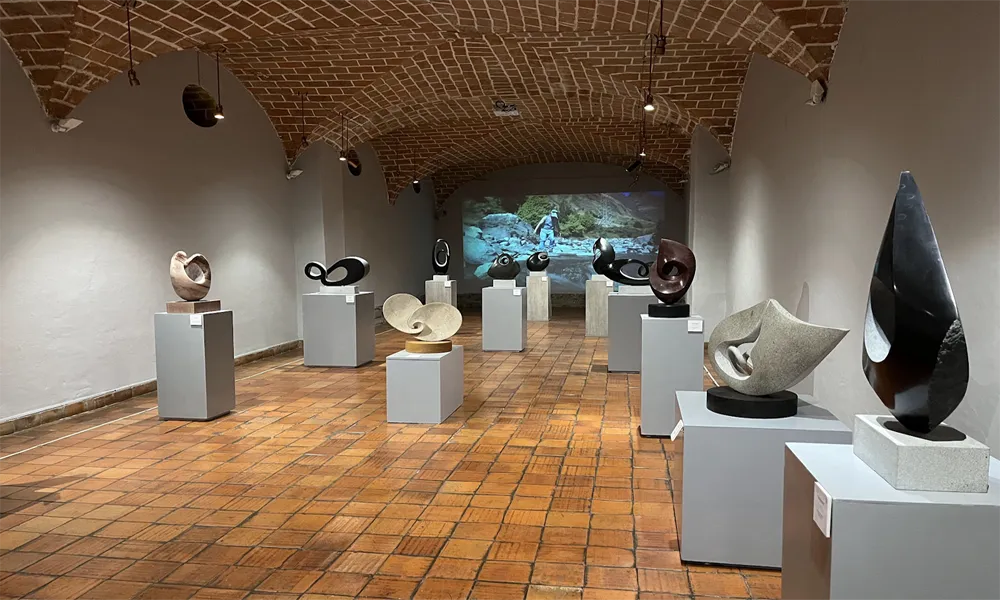
MUNARQ is not only a place to view artifacts, but also a center for research and education, aimed at both students and adults interested in learning more about the country’s history.
In addition, the museum offers guided tours that allow visitors to learn about the history. These tours are ideal for those who want a deeper understanding of Bolivia’s rich cultural heritage.
💡 Practical Tips
- Best time to visit: MUNARQ is open year-round, but the best times to visit are during the dry season, when the weather in La Paz is warmer and more pleasant.
- Access: The museum is located in downtown La Paz, near other major tourist attractions such as Plaza Murillo and the Palacio Quemado (Burnt Palace), making it easily accessible on foot or by public transport.
- Visit duration: A visit to MUNARQ can last between 1 and 2 hours, depending on how thoroughly you wish to explore its exhibits.
❓ Frequently Asked Questions
- How much does admission to MUNARQ cost?
Admission to MUNARQ is affordable, with special prices for students and Bolivian residents. Foreign tourists may pay a slightly higher rate.
- Is it necessary to make a reservation for guided tours?
While not strictly necessary, reservations are recommended for guided tours, especially during peak season, to guarantee a spot and make the most of your experience.
- Are there activities for children?
Yes, the museum offers interactive workshops for children, where they can learn about pre-Columbian cultures in a fun and educational way.