
Sucre Square – Tradition, Encounter, and Urban Life in Tarija
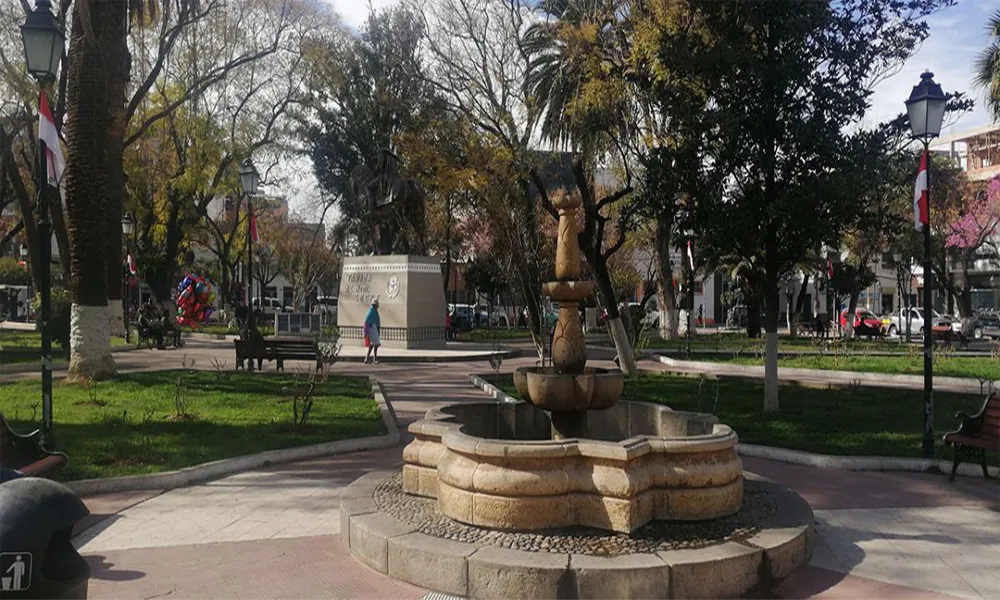
Sucre Square is one of the most beloved and representative public spaces in the historic center of Tarija. Small in size but grand in significance, this square has been a place for daily encounters, rest, and community for generations, reflecting the tranquil, warm, and hospitable character of the capital of Tarija.
Surrounded by traditional buildings and historic streets, Sucre Square is part of the urban fabric that preserves Tarija’s colonial and republican identity.
📌Location and Surroundings
It is located in the historic center of Tarija, surrounded by cobblestone streets and colonial houses with wooden balconies. Nearby, you can find churches, traditional cafes, shops, and several public buildings that highlight the area’s heritage value.
📜Origin and History
Sucre Square originated as part of the urban planning process during the colonial era and the early years of the republic. Its name pays homage to Antonio José de Sucre, a key figure in South American history, and symbolizes the ideals of freedom and unity that marked the birth of Bolivia.
Over time, this space has witnessed urban transformations, civic celebrations, and everyday moments in Tarija’s life, remaining a constant landmark within the historic center.
🌿 Design and Surroundings
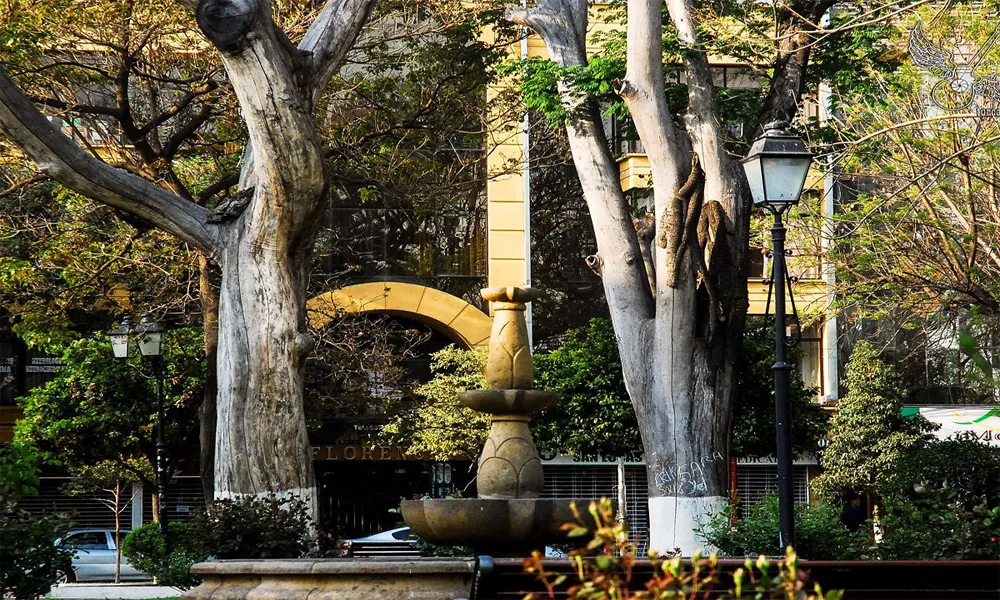
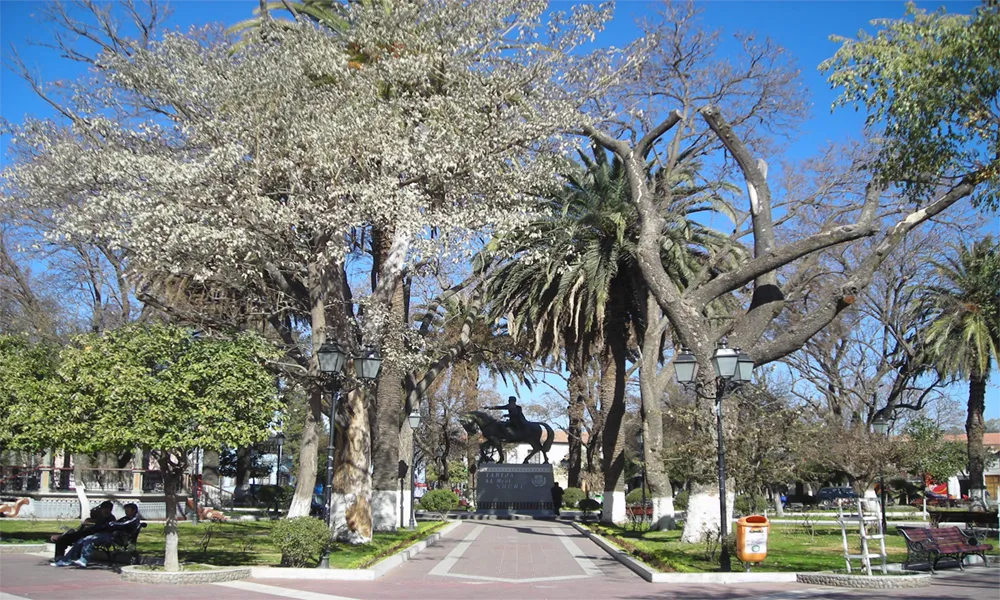
The plaza is characterized by its simple and harmonious design. Its green areas, leafy trees, and pedestrian paths create a fresh and welcoming atmosphere, ideal for rest and contemplation. The benches surrounding the space invite visitors to sit and observe the city’s unhurried rhythm.
The surrounding architecture preserves colonial and republican features, with understated facades that lend a traditional air and reinforce the heritage value of the place.
👥 Social and Cultural Life
Plazuela Sucre plays an important role in the social life of Tarija. It is a regular meeting point for residents, students, and senior citizens, who find in this space a peaceful place to talk, read, or simply enjoy the city’s mild climate.
On special occasions, the plaza becomes a venue for cultural and civic activities, transforming into a nearby and accessible space for artistic expressions, commemorative events, and community gatherings.
🏙️ Urban Importance
Beyond its recreational function, Plazuela Sucre is a key element in the urban structure of the historic center. It connects traditional streets and serves as a green respite within the city’s hustle and bustle, offering a balance between urban activity and relaxation.
Its strategic location allows one to understand the human scale on which Tarija was conceived, a city designed for encounters and outdoor living.
📖Recommended Activities
- Take a stroll in the morning to enjoy the colonial atmosphere.
- Take photos of the traditional architecture and details of the plaza.
- Sit on the benches under the trees to relax and observe local life.
- Enjoy a coffee or a glass of Tarija wine at the nearby cafes.
📍Visit Tips
The best time to visit is at sunset, when the plaza comes alive and the light highlights its architectural details.
Bring a camera to capture the colonial essence of Tarija.
Combine your visit with a stroll through the Plaza Principal Luis de Fuentes y Vargas, which is just a short walk away.
✨ Heritage Value and Visiting Experience
Visiting Plazuela Sucre is a simple yet authentic experience. It’s not a monumental attraction, but rather a space that reveals the essence of Tarija: a peaceful, friendly city deeply connected to its traditions.