
Bicentennial Fountain (Sucre, Bolivia)
The Bicentennial Fountain is one of the most modern and symbolic urban spaces in the city of Sucre. Built to commemorate the 200th anniversary of the first cry for independence on May 25, 1809, this fountain represents historical memory, national identity, and the renewal of public space in Bolivia’s constitutional capital. Today, it is a popular meeting place for citizens, a recreational spot, and a photographic location, especially attractive in the evenings and at night.
📌Location and Access
- Located within Bolívar Park (Sucre Rose Garden), it is accessible from Plaza 25 de Mayo via streets such as Junín or Avenida de las Américas.
- It is a centrally located and easy-to-find space, surrounded by other points of interest such as historical plazas, museums, and colonial buildings.
💡Public Attraction
Rated 4.3/5, it receives excellent reviews from tourists and locals alike for its charming and surprising atmosphere.
Ideal for relaxed dinners, afternoon strolls, photogenic spots, and as a backdrop for informal cultural events.
It’s also a popular spot for family gatherings, couples, or artists creating and sharing magical moments.
📜 Origin and Historical Significance
The Bicentennial Fountain was inaugurated as part of the bicentennial celebrations of the liberation movement, commemorating one of the most significant events in Bolivian history. Its design and location reflect a clear intention: to integrate historical memory and contemporary urban space, bringing history closer to the daily lives of the population.
This monument not only recalls the independence past but also symbolizes Sucre’s commitment to the future, civic coexistence, and the reclamation of public spaces for collective enjoyment.
🏗️ Urban Design and Features
The Bicentennial Fountain stands out for its modern and functional design, which harmoniously contrasts with the city’s colonial architecture. Its main features include:
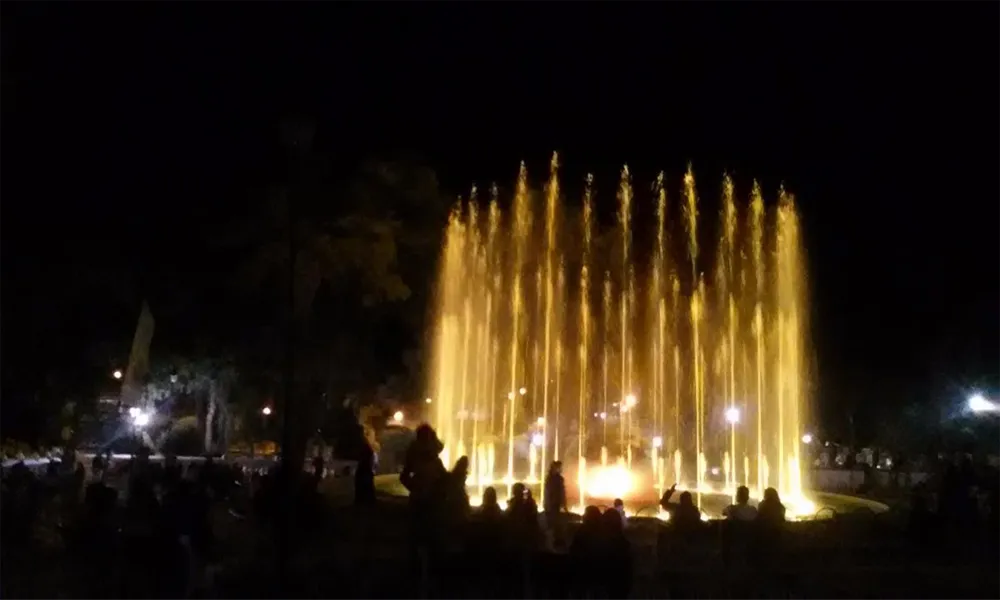
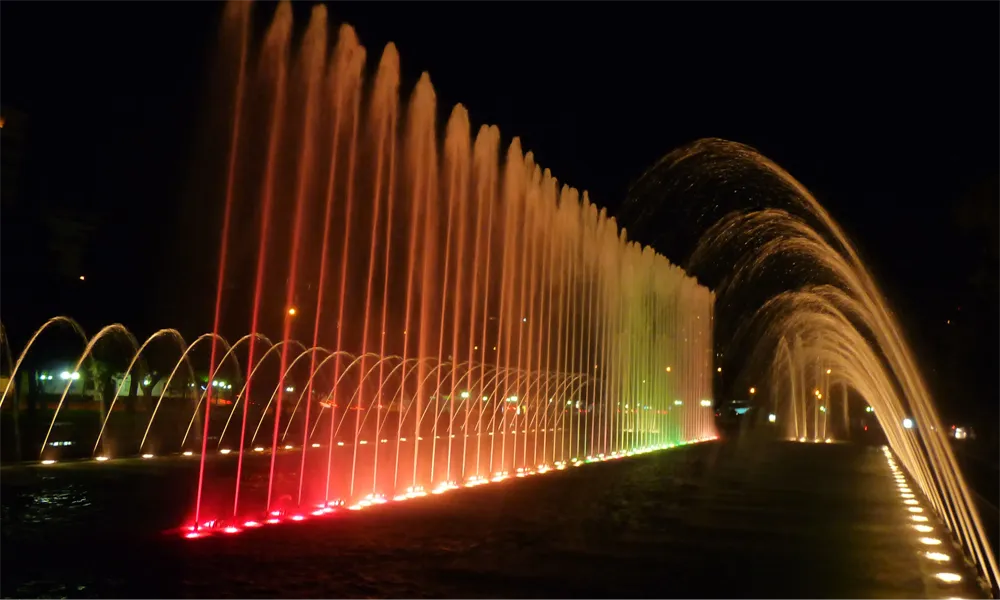
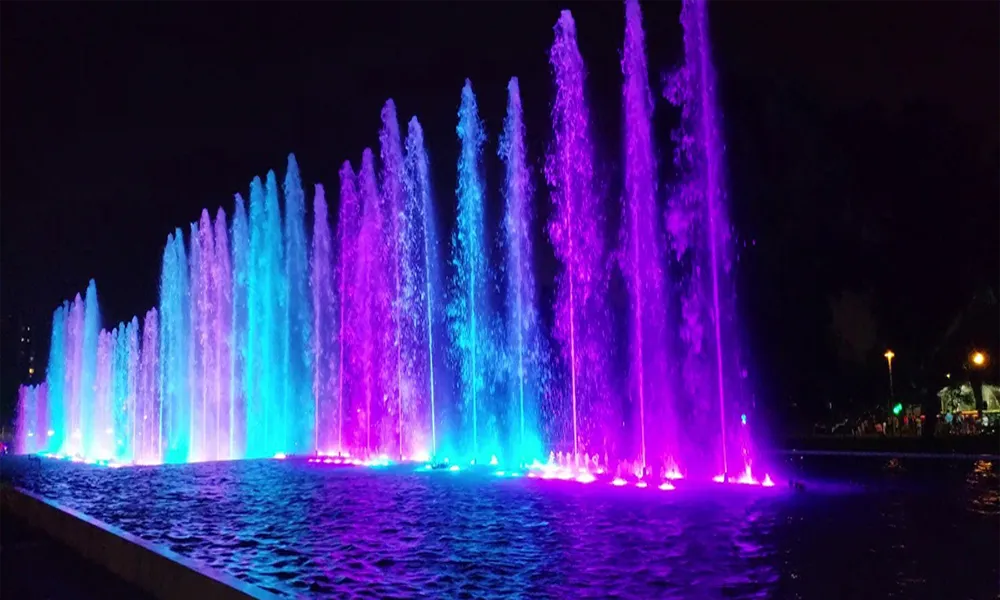
- Synchronized water jets that create dynamic visual displays.
- Nighttime lighting that enhances the fountain and the surrounding urban environment.
- Open areas that allow for the circulation and relaxation of visitors.
At night, the lighting transforms the fountain into a special visual attraction, creating an ideal atmosphere for strolling, taking photographs, and socializing.
🌿 Public Space and Daily Life
Beyond its symbolic value, the Bicentennial Fountain serves an important function as a space for recreation and community gatherings. It is frequented by families, young people, students, and tourists seeking a peaceful place to rest, chat, or enjoy the urban environment.
On civic holidays and special events, the area surrounding the fountain often becomes the stage for cultural activities and commemorative events, reinforcing its role as a community meeting point.
🕊️ Cultural Importance for Sucre
The Bicentennial Fountain has become a contemporary symbol of the city, complementing its traditional historical monuments. It represents how Sucre integrates its heroic past with a modern vision of the city, where public space becomes a place of memory, identity, and social cohesion.
❓ Frequently Asked Questions
- What does the Bicentennial Fountain represent?
It commemorates the 200th anniversary of the first cry for independence on May 25, 1809.
- Is it a tourist attraction?
Yes. It is a popular urban space visited by locals and tourists, especially in the afternoon and evening.
- Can it be visited at any time?
Yes. It is a public space with free access.
- Is it a good spot for photography?
Absolutely. The nighttime lighting and modern design make it an excellent photographic location.
✨ A modern symbol of historical memory
The Bicentennial Fountain is an example of how Sucre honors its history while looking toward the future. Its presence in the urban landscape reminds us that memory is not only preserved in museums and ancient monuments, but also in vibrant spaces where citizens gather, engage in dialogue, and celebrate their collective identity.