
Torotoro, Bolivia – Adventure, Fossils, and Living Nature
Torotoro is one of Bolivia’s most surprising and unique destinations. Located in the northern part of the Potosí department, this small town and its national park stand out for their extraordinary geological, paleontological, and scenic richness. Torotoro is synonymous with adventure, science, and direct contact with nature, ideal for travelers seeking authentic experiences far from the mass tourism circuits.
Surrounded by deep canyons, impressive caverns, and ancient rock formations, Torotoro offers a journey into Earth’s past, where natural history manifests itself at every turn. Its tranquil atmosphere, combined with unique landscapes, makes it an unmissable destination for Bolivian tourists.
📍 Location and How to Get to Torotoro
Torotoro is located in the Charcas province, 138 km south of Cochabamba and 320 km from Potosí. The main access point is from Cochabamba, and the most common route is:
- From Cochabamba 🚌:
– Approximate time: 5 to 6 hours.
– Transportation: Daily buses and minibuses depart from the Cochabamba bus terminal.
– Approximate cost: Bs. 35 to Bs. 50.
- From Potosí or Sucre:
– You can reach Torotoro by combining ground transportation to Cochabamba and then continuing on to Torotoro.
Tip: The road is narrow and has sharp curves, so it is recommended to travel during the day to enjoy the scenery and for greater safety.
🌤 Climate in Torotoro
The climate is temperate mountainous with significant variations between day and night.
- Dry season: May to September, ideal for outdoor activities.
- Rainy season: November to March, the landscapes are greener, but some trails can be slippery.
- Average temperature:
–Day: 18°C to 25°C
–Night: 5°C to 10°C
Recommendation: Pack light clothing for the day, a jacket for the evening, hiking boots, and sunscreen.
🏞 Main Tourist Attractions of Torotoro
Torotoro National Park is a natural and cultural sanctuary that combines stunning landscapes with a unique historical richness. These are its must-sees:
1. 🦕 Dinosaur Footprints
- More than 2,500 fossilized footprints of various prehistoric species.
- Dating back approximately 65 million years.
- They are found in areas such as Cal Orcko and El Vergel.
- Ideal for paleontology enthusiasts.
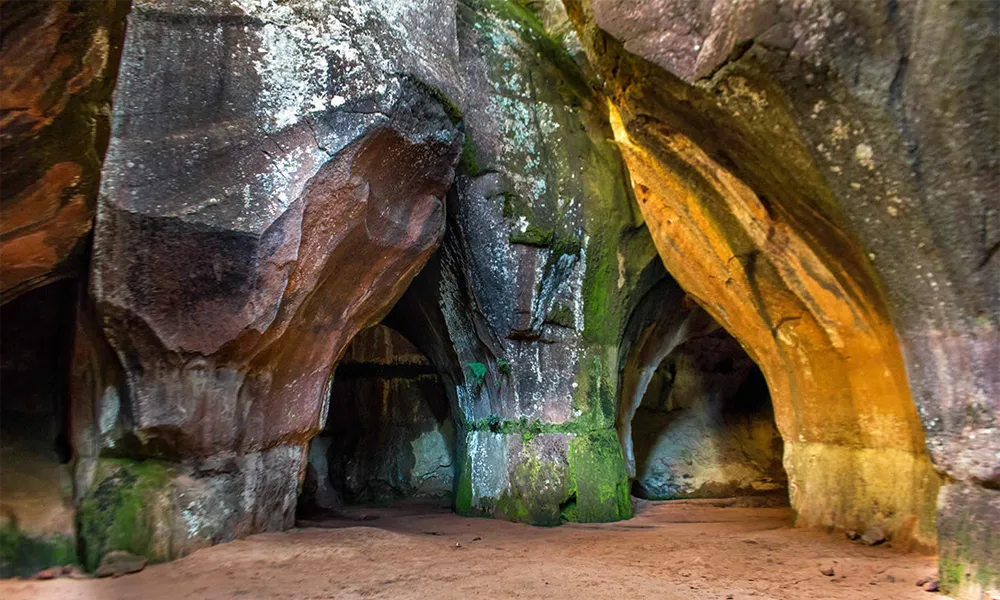
2. 🕳 Umajalanta Cave
- The largest cave in Bolivia, with 7 km of underground galleries.
- Impressive stalactite and stalagmite formations.
- Includes underground rivers and small internal lakes.
- Requires a specialized guide and safety equipment.
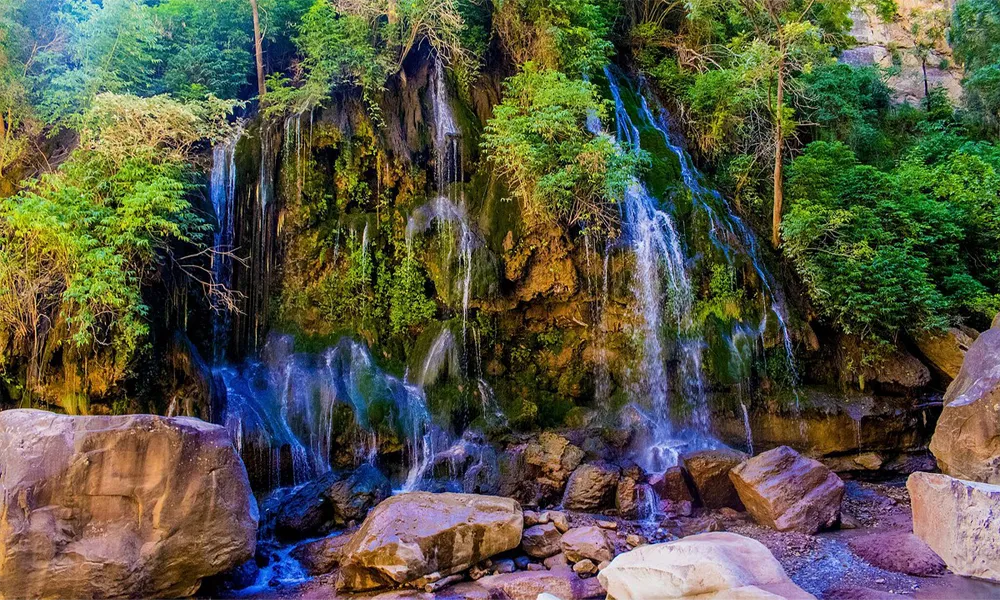
3. 🌊 El Vergel Waterfall
- Surrounded by a humid microclimate with lush vegetation.
- Crystal-clear water, ideal for cooling off after a hike.
Access is via a descent of 700 steps, so good physical condition is required.
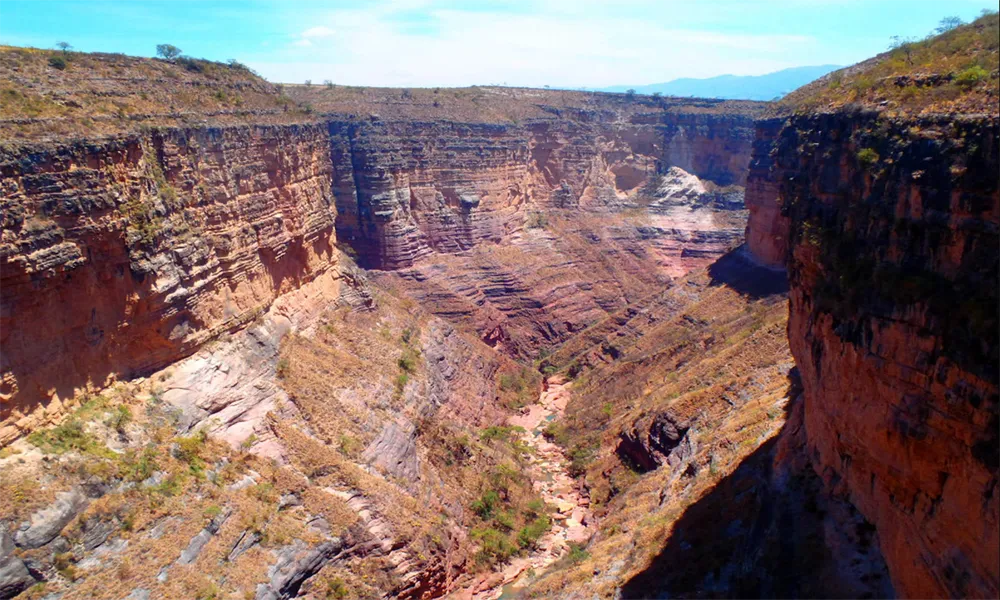
4. 🌄 Torotoro Canyon
- A spectacular canyon 250 meters deep.
- Perfect spot for panoramic photography.
- Condors can be spotted soaring overhead.
🎟 Entrance Fees and Tours
- Torotoro National Park Entrance:
-Bolivian Nationals: Bs. 40
-Foreigners: Bs. 100
- Guided Tours:
-Packages from Bs. 200 to Bs. 400 per person (depending on duration and activities).
Requirement: Hire an official certified guide at the park’s visitor center.
🏨 Hotels and Lodging in Torotoro
Although Torotoro is a small destination, it offers comfortable and welcoming options:
- Hotel Umajalanta – Rustic cabins with panoramic views.
- Hostal Vergel – Affordable and centrally located, ideal for backpackers.
- Eco Lodge Torotoro – Perfect for those seeking sustainable experiences.
Recommendation: Book in advance, especially during peak season.
🧭 Practical Tips for Travelers
- Bring cash in Bolivianos; there are no ATMs.
- Hire authorized guides for greater safety and a better experience.
- Pack a flashlight, insect repellent, hat, sunscreen, and hiking boots.
- Respect park rules and do not litter.
- Book lodging and tours in advance during peak season.
❓ Frequently Asked Questions (FAQ)
1. How many days is recommended for visiting Torotoro?
Ideally, you should allow 3 to 4 days to see the main attractions.
2. Is it a suitable destination for children?
Yes, but constant supervision is recommended, especially on long hikes and in caves.
3. Can I visit without a guide?
No, access to most attractions requires hiring an official guide.
4. What is the best time to go?
From May to September, due to the dry weather and more accessible trails.